
ICC Introduces New Match Rules And Tournament Updates
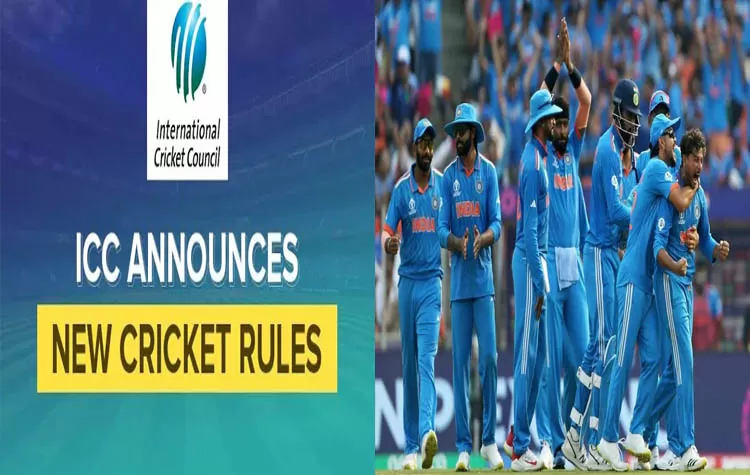
The International Cricket Council (ICC) has approved some changes, that will touch international cricket from October 1. The decisions were talked through during a meeting of the ICC Chief Executives' Committee and ICC Cricket Committee Chairman Sourav Ganguly was in the room too. These updates mostly aim at better match management, more actual playing time, and a stronger level of steadiness in officiating
With big sporting events like the FIFA World Cup still pulling in huge global audiences via broadcasters such as JioStar, cricket’s governing body is also trying to polish the overall match experience, for teams officials and fans
ICC Approves Changes to Help Match Operations
Pink Ball Option When Daylight Fades in Tests
- For a long time, Test matches have generally been played with a red ball in daytime. Now, under an experimental adjustment, teams can switch from red to a pink ball when light keeps getting worse during the match. But this can only be done after both teams agree, so it is not a solo call
- The ICC feels this might cut down delays, and keep things moving whenever visibility becomes a real issue
Permanent Adoption of Leg-Side Wide Rule Updates
The ICC has decided to lock in the leg-side wide-ball regulations that were previously being tested. The trial phase apparently delivered enough feedback and the Board then moved to make the rule a permanent part of future matches
Coaches Get Limited Match-Day Communication Access
-
Coaching talk Allowed During Drinks Breaks
- From now on, head coaches, or someone specifically chosen by them, will be able to speak with players during official drinks breaks
- In other words it gives the side a clean , timed opening to go over plans and match situations, without interrupting the flow of the game too much
Updated Playing Conditions for T20 Cricket
- Mandatory 15-Minute Innings Break
- The ICC has come up with a compulsory 15-minute pause between innings in T20 international matches, kinda like it has to happen, no matter what.
- That rule basically sets up a uniform little break window for every team, plus the match officials too.
- Requirement for Batters to Resume Play Promptly
- The updated regulations also say batters have to be ready to return to play as soon as the innings break ends.
- The idea here is to boost overall match flow and cut down on delays that could be avoided in a pretty straightforward way.
New Measures for Officiating and Decision-Making
- Consistent Use of Light Meters
- The ICC has also put out refreshed guidance on light meters, these tools are what umpires use to judge the playing conditions.
- The point is to make decisions about bad light more consistent, across different matches and venues, not just based on how it “feels” in that moment.
- Hawk-Eye Data for Bowling Action Reviews
- Match officials will now be able to rely on Hawk-Eye technology when doubts come up about a bowler's action.
- This green light gives officials more supporting information, so the review process should become clearer and a bit more reliable.
Changes to Women’s Cricket Events
- Revised Schedule for the Women’s Champions Trophy 2027
- The ICC Board has backed a tweak to the time slot for the 2027 Women’s Champions Trophy.
- What used to be planned for June and July, will now be scheduled for February 14 to February 28.
- Format of the Women’s Emerging Nations Trophy 2026
- The ICC Women’s Emerging Nations Trophy 2026 is set to involve ten teams.
- The competition will mix five Full Member nations, and five Associate Member nations, which should open up more spots for emerging sides who are developing step by step.
What These Updates Mean for International Cricket
The latest ICC decisions focus on improving match continuity, supporting fair officiating, and creating clearer playing conditions. The introduction of a pink-ball option during fading light, expanded communication opportunities for coaches, and the use of technology in bowling-action reviews are among the most notable changes.
While global sporting properties such as the FIFA World Cup continue to set benchmarks for audience engagement and media coverage through platforms including JioStar, the ICC's latest updates reflect cricket's ongoing efforts to improve the game on and off the field.
Tags Cloud