
Ongoing Tensions Between Iran And Israel Despite U.S. De-escalation
U.S. Decision Brings Limited Relief
- Donald Trump announced a five-day delay for his planned attacks against Iran's power infrastructure. The decision decreased immediate concerns which affected the entire world. Financial markets showed minor recovery while oil prices reached stable levels.
- The conflict continued even after the pause ended. The military operations between Iran and Israel persisted without interruption. The U.S. announcement did not stop both sides from continuing their attacks. The ongoing regional tensions between the two countries remain active.
Iran Launches New Wave of Attacks
The Islamic Revolutionary Guard Corps (IRGC) reported a new series of strikes against Israel. The organization identified this operation as its 78th wave of attacks.
The IRGC reported that its forces attacked various sites which included:
- Dimona
- Tel Aviv
- Eilat
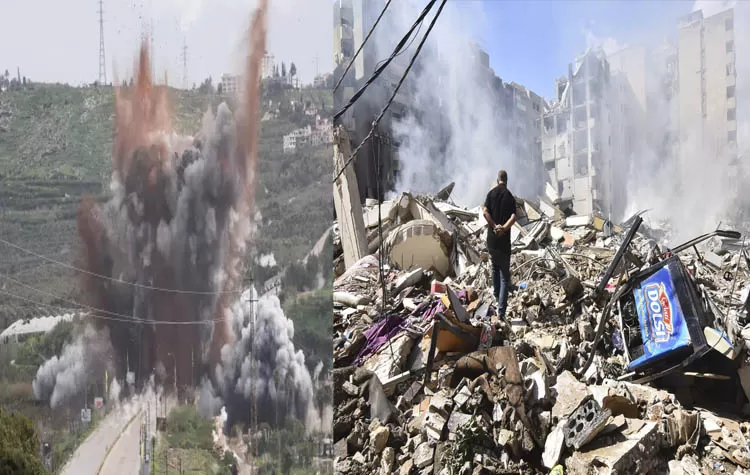
The organization declared that it conducted assaults against American bases in West Asian territory. The operations of this mission utilized missiles and drones as per the statement. Reports indicate that various locations throughout Israel experienced destruction.
The air-raid sirens activated in multiple regions of Israel after these attacks. The region still faces ongoing dangerous situations which continue to exist.
Strikes Reported on Iranian Energy Facilities
Two major sites in Iran faced attacks:
- A gas facility in Isfahan
- A power plant in Khorramshahr
Drones and missiles struck both sites which police investigated. The responsible party has not been officially confirmed.
- Israel has not issued a statement.
- The United States has also not responded.
Iran has accused Israel of carrying out these attacks. The U.S. decision to postpone military actions against Iran's energy sector did not prevent these events from happening. The situation creates more doubt between the two countries.
Strait of Hormuz Access Conditions
Iran’s Defense Council released guidance on maritime movement through the Strait of Hormuz.
The main points which serve as the guidance documents:
- Ships from neutral countries may pass through the strait
- Prior coordination with Iranian authorities is required
- Permission must be obtained before transit
The Council also warned of a strong response if Iran’s energy infrastructure is targeted again.
U.S. Position on Ongoing Operations
- A U.S. official clarified the scope of the delay. The pause applies only to attacks on Iran’s energy facilities. Military operations targeting other locations may continue.
- Reports suggest that potential strikes in Tehran are still under consideration. This indicates that the broader conflict situation remains unresolved.
Tags Cloud