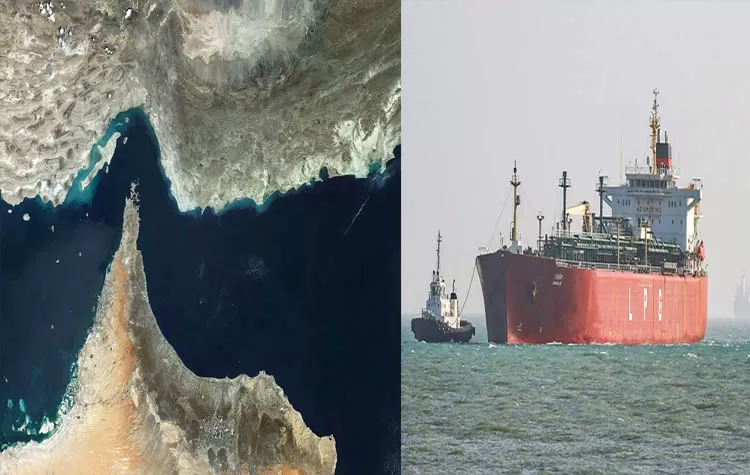
Iran Restricts LNG Shipments Amid Strait Of Hormuz Tensions
- The ongoing conflict in the region leads to increasing energy problems. Tensions between the United States and Iran continue to escalate without any diplomatic solution after presidential statements from Donald Trump. The situation affects global energy supply.
- Iran has taken steps that impact the movement of LNG (liquefied natural gas). Reports show that Iran has not permitted any LNG tanker to enter the Strait of Hormuz since the start of the current crisis.
LNG Tankers Denied Passage
- The media reports together with shipping traders indicate that Iran has blocked two LNG tankers from Qatar since they tried to enter Iranian waters. The ships needed to return because they lost their right to continue their journey.
- The restriction has now lasted for 39 days. The timeline begins from the period of military actions involving the United States and Israel against Iran.
Disruptions in Maritime Traffic
- The Strait of Hormuz currently restricts all maritime movement except for military operations.
- The Straits of Hormuz currently permit only limited navigation for oil tankers and cargo ships. Ships require direct approval from Iran Many vessels remain delayed in nearby Gulf waters
- Ship-tracking data shows several cargo vessels waiting in the region. The main reason appears to be the lack of clearance for safe passage.
Impact on Global Energy Supply
- The Strait of Hormuz serves as a major international waterway for transporting energy supplies. The LNG supply decreases when restrictions are imposed in this region while energy market uncertainties rise.
- The current situation adds pressure to the global energy system especially for countries that depend on LNG imports.