
Strait Of Hormuz In Ceasefire Plan: Possible Toll Policy And Global Impact
Ceasefire Announcement and Key Conditions
U.S. President Donald Trump announced a two-week ceasefire which he had established after he delivered strong warnings about Iran. Iran stated that the United States accepted the possibility of its proposed conditions. One key condition relates to control over the Strait of Hormuz.
Strategic Importance of the Strait of Hormuz
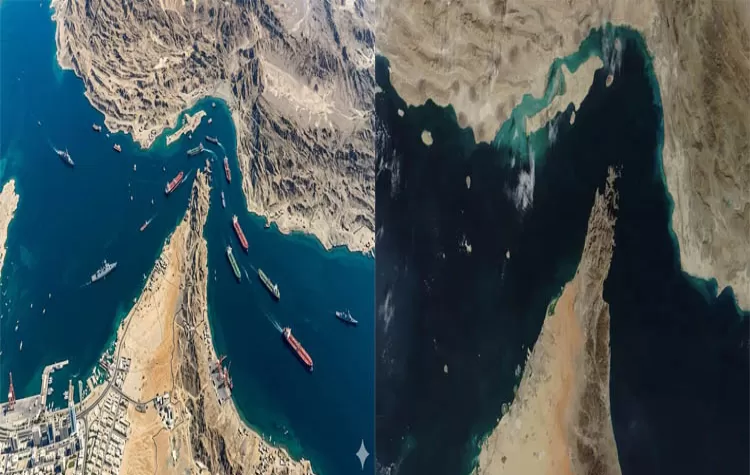
The Strait of Hormuz represents a vital nautical passage which connects two sea routes through its narrow width.
- The strait exists between Iran which occupies its northern section and Oman which occupies its southern section
- The strait extends about 53 kilometers in width
- The strait connects to two main oil export routes which account for most of the worlds oil shipments
Until now, this route functioned as an international waterway, and ships did not pay any transit fees.
Proposed Toll System
Analysts indicate that Iran and Oman may gain the right to charge ships passing through the strait.
- Iran will charge shipping companies for their use of passageways
- The government will use their revenue to finance national reconstruction efforts
- An Iranian official confirmed this plan in media reports
The estimated toll could reach up to ₹18 crore per transit, which will lead to worldwide shipping cost increases.
Background: Conflict and Energy Concerns
The current situation follows conflict that began on February 28, which resulted from attacks that involved Israel and the United States. The global energy crisis resulted from this conflict. The proposed toll now raises concern about added financial pressure on global trade.
Official Statements and Next Steps
Iran’s Supreme National Security Council confirmed its approval of the ceasefire.
- The United States will start diplomatic discussions with Pakistan
- The Iranian military will control ship operations throughout the next two weeks
- Iran’s Parliament has approved a law to enable toll collection
Tags Cloud