
Parliament Rejects 131st Constitutional Amendment Bill On Women’s Reservation
The Bill Proposed What It Intended to Accomplish
The 131st Constitutional Amendment Bill aimed to introduce 33 percent reservation for women in legislative bodies. The proposal planned to implement this change starting in 2029. The Central Government presented the bill as a step toward increasing women’s representation in politics.
Voting Outcome in the Lok Sabha
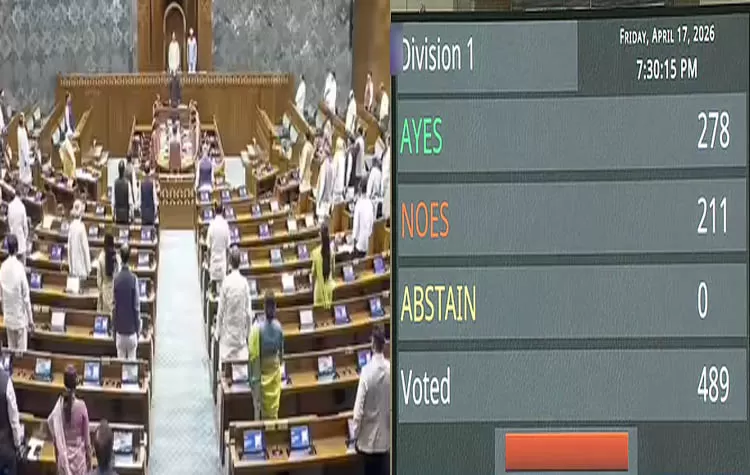
- The Lok Sabha held a vote on the bill on Friday. The voting process involved 528 members from the assembly. A total of 298 members voted in favor of the bill while 230 members voted against it.
- The bill received more votes in favor yet it failed to pass. Constitutional amendment bills require a two-thirds majority. The ruling alliance did not meet this requirement. Speaker Om Birla announced the bill had been defeated.
Why the Bill Did Not Pass
- The bill failed because supporters failed to reach required voting strength. The total number of voting members who supported the measure exceeded the required amount yet it fell short of the constitutional amendment threshold.
- Some opposition leaders expressed their dissatisfaction with the bill's design. The proposal established a link between women's reservation and the delimitation process according to their argument. During the debate this connection developed into a conflict point.
Withdrawal of Related Legislation
- Union Minister Kiren Rijiju announced additional actions after the voting result. The government decided to withdraw two additional legislative proposals from consideration. The two bills that were withdrawn included the Delimitation Bill-2026 and the Union Territories Laws (Amendment) Bill-2026.
- These bills were part of the larger framework that included the proposal for women's reservation.
Opposition Response
- The three parts of the bill which Rahul Gandhi analyzed he found unsuitable because of their design. The proposal lacked genuine women’s reservation according to his statement. The connection between delimitation and the law established his claim about its true purpose. The opposition showed interest in backing an earlier version of the bill which had been presented during the 2023 session.
- Priyanka Gandhi expressed her worry about the situation. The bill introduction and its structure which her party opposed she described as the main point of her criticism.
Statements from Regional Leaders
- Tamil Nadu Chief Minister M.K. Stalin described the outcome as a political victory. He presented the electoral loss as a proof which demonstrated his main political theory.
- Telangana Chief Minister Revanth Reddy also reacted to the result. He called the outcome significant and credited opposition leadership for preventing what he described as a major issue.
What This Means Going Forward
- The bill defeat will result in a delay which prevents immediate alterations to women’s legislative representation. The ongoing disagreements demonstrate that parties involved in the process have not reached a consensus about how to implement these reforms.
- The government might change its current strategy according to the withdrawal of related bills. The upcoming proposals will resolve the issues which emerged during this debate.
Tags Cloud