
US-Iran Agreement Remains Unlikely In Near Term
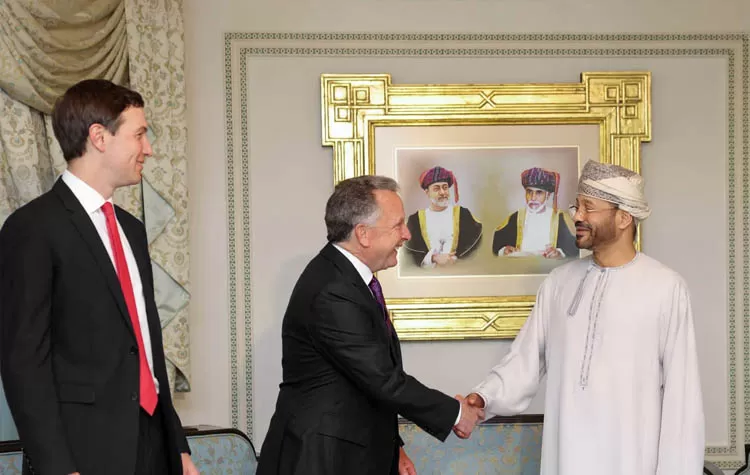
The United States maintains tense relations with Iran while both nations participate in restricted diplomatic negotiations. Iranian officials recently declared their prediction that a formal agreement will not occur in the near future. The two parties remain divided on key issues which hinders their progress toward resolution.
Negotiations Show Limited Progress
The Iranian Parliament Speaker Mohammad Bagher announced that United States negotiations have achieved some level of development. He described the parties involved in the talks as being very distant from reaching an agreement. He stated that the two parties need to settle their fundamental disputes which prevents them from scheduling their next meeting.
Iran Emphasizes Its Position
- Bagher announced that Iran secured its current strong position after weeks of fighting. He said that Iran agreed to a temporary ceasefire only after it received the conditions which it requested. He also stated that the United States failed to accomplish its primary objectives during the conflict.
- Iran continues to reject all demands which it considers unacceptable. According to him, this has contributed to delays in the negotiation process.
Strait of Hormuz Remains a Key Issue
The dispute centers on the control of the Strait of Hormuz. Bagher declared that Iran controls the waterway and will maintain its power over it. The recent closure of the strait has increased tensions and raised concerns about global trade and energy supply.
US Signals Concern and Possible Action
- US President Donald Trump offered a more cautious view. He announced that Iran negotiations continue and show positive progression. He criticized Iranian behavior in the Strait of Hormuz while making this statement.
- Trump issued a warning that the United States will choose stronger methods if the strait remains closed. He announced that efforts are being made to restore normal shipping operations.
Tags Cloud