
U.S.–Iran Talks Stall Amid Rising Regional Tensions
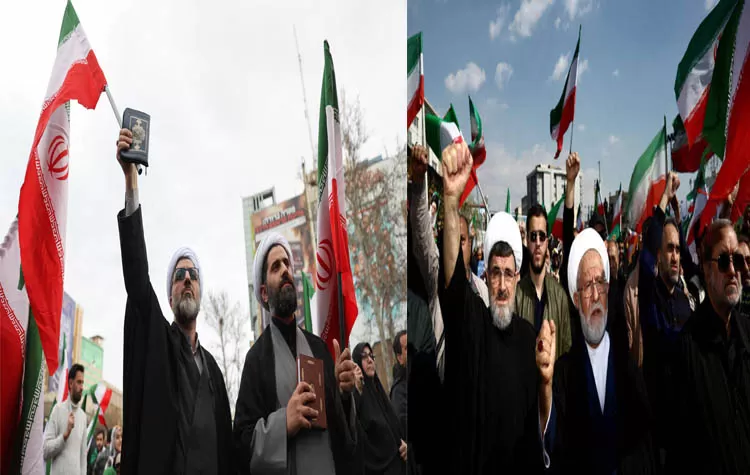
The current situation has created obstacles which prevent United States-Iran negotiations from resuming their dialogue. The scheduled talks did not occur which caused increased uncertainty throughout the entire region.
Breakdown of Planned Talks in Islamabad
- The scheduled talks in Islamabad did not happen. The scheduled U.S. delegation to Pakistan arrived after Iranian Deputy Foreign Minister Abbas Araqchi. The U.S. representatives did not travel.
- U.S. President Donald Trump later stated that he would not send officials. He described the long journey as unnecessary. He also suggested that Iran could reach out if it wished to continue discussions.
- This decision prevented both sides from starting immediate direct negotiations.
Diplomatic Engagements in Pakistan
- During his visit, Araqchi met with senior Pakistani leaders. Pakistani leaders who met him included Prime Minister Shehbaz Sharif and Chief of Defence Staff Asim Munir.
- The discussion examined both the current situation in the Middle East and the progress of U.S. and Iranian negotiations. Araqchi presented Iran's answer to the U.S. proposals while he brought forward particular points of concern.
- Other Iranian officials attended these meetings. The group included Deputy Foreign Minister Kazem Gharibabadi and spokesperson Ismail Baghai.
- Pakistan stated that direct negotiations would occur when the United States gave an affirmative answer to Iran's demands. Officials affirmed their ongoing commitment to regional peace initiatives.
Iran Prepares to Expand Its Diplomatic Efforts
- After completing his meetings in Pakistan, Araqchi left for Oman. He plans to continue his diplomatic activities throughout that region.
- Reports also indicate that he plans to visit Russia. These visits demonstrate that Iran is keeping diplomatic relations with different nations during this time.
Ongoing Security Situation in the Region
- The situation in the area which extends beyond the current conflict remains unstable. The present ceasefire permits certain activities to resume their normal state. Flight operations at Imam Khomeini International Airport in Tehran have returned to their previous schedule.
- The world continues to face ongoing conflicts. Israeli military forces executed airstrikes against the Lebanese town of Kunin. The strikes took place during the ceasefire period which creates additional unpredictability.
Iran Issues Warning Over Escalating Tensions
- Iran has issued a warning regarding rising tensions in the Persian Gulf. Judicial head Gholam-Hossein Mohseni-Ejei referred to past events in 1979.
- He stated that if current tensions continue, similar outcomes could occur. His remarks referenced the failed U.S. military operation known as Operation Eagle Claw.
- The current statement confirms that an important situation exists while it shows that diplomatic relations between the two parties remain broken.
Tags Cloud