
US And Iran Deal To Reopen Harmuz Strait Amid US Iran War Tensions
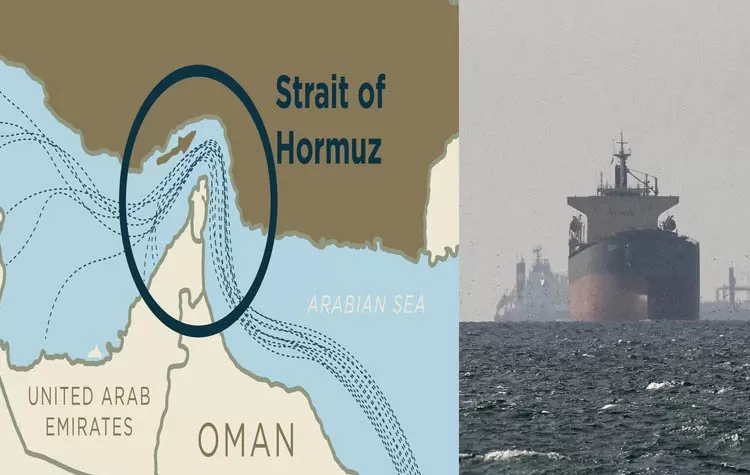
The Harmuz Strait operates as an essential shipping route which enables international oil and gas trade to flow between the Persian Gulf and the Arabian Sea. The route functions as a major transit point which enables global petroleum and natural gas transportation. The channel processes energy shipments which start from primary energy facilities on a daily basis. Any disturbance in this region creates immediate impacts on international supply networks and energy market costs.
Reported Agreement Between US and Iran
- The US and Iran have reached an agreement which permits the reopening of the Harmuz Strait according to current reports. Al Arabiya a media outlet that has ties to Saudi Arabia shared the information. The report indicates that both parties established a maritime movement restoration plan which includes incremental steps to follow.
- The US marine blockade operation in the area will be gradually decreased through this procedure. The reported plan focuses on reducing military pressure while allowing commercial shipping to resume.
Gradual reopening and naval blockade easing
According to sources the process of reopening will occur through multiple phases instead of a single instant. The military restrictions on naval operations will be progressively decreased through different time intervals. This approach aims to decrease tensions while protecting safe passage through the strait.
Status of stranded vessels
Reports state that multiple vessels which became stuck in the Harmuz Strait will receive permission to depart within the next few hours. Security dangers from the US-Iran war situation and ongoing restrictions prevented the ships from continuing their scheduled journeys.
Trump’s Comments on the Negotiations
- The United States former president Donald Trump has provided his analysis of the negotiations. He claimed that the Iranian negotiation process reached successful outcomes. He believed that the parties would come to an agreement within the near future.
- Trump predicted that the fighting would stop within a short period if current diplomatic efforts maintained their existing pace. His statements support the information which shows that US and iran communication channels stayed open during the entire emergency situation.
Impact of the US Iran War on Maritime Traffic
- The US-Iran war has brought tension between the US and Iran and Israel since February 28 which has severely disrupted shipping operations through the Harmuz Strait.
- Commercial vessels experience three different problems which include delays and rerouting and temporary blockage of their routes. The increased risk levels in the area resulted in higher shipping insurance costs. Global energy transport operations faced uncertainty because of the situation.
What Happens Next for Shipping Through Hormuz
- The Harmuz maritime traffic system will return to its regular operations when the reported agreement achieves full execution. Shipping companies plan to carefully track security developments before they will begin to operate at their full capacity.
- The current conditions maintain their delicate state. The US and iran negotiations will create an immediate impact on regional peace when they encounter any form of collapse.
Frequently Asked Questions
What is the Harmuz Strait?
The Harmuz Strait is a key shipping route between the Persian Gulf and the Arabian Sea. It is important for global oil transport.
Why is the US Iran war affecting the Strait?
Military tensions have increased security risks in the region. This has disrupted shipping routes and slowed maritime traffic.
Has the US officially confirmed a deal with Iran?
There is no full official confirmation yet. Reports suggest an agreement in principle, based on media sources.
How does this affect global oil supply?
Any disruption in Harmuz can limit oil exports and increase global energy prices due to restricted supply flow.
Tags Cloud