
Oil Prices Surge Over 2% As Middle East Tensions Escalate: Global Markets On Edge
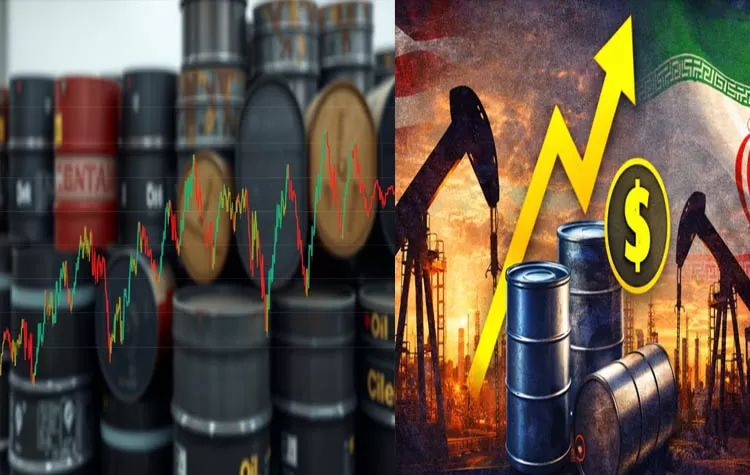
Crude Oil Rallies amid Fresh geo political unease
Global oil prices jumped pretty hard on June 1, 2026, after renewed military action in Lebanon sort of re ignited worries over energy supply disruptions. Traders reacted fast, not in a calm way either, as tensions in the Middle East kept building, and that pushed both Brent crude and U.S. crude futures noticeably higher early in the session.
That quick surge also shows how touchy global energy markets are to geopolitical events, especially when those events hit regions that matter a lot for oil production and the movement of crude worldwide, you know.
Israel–Hezbollah conflict hits nerves with Market Anxiety
- Mood shifted to careful mode after reports said Israel expanded military operations in southern Lebanon even though there was already some ceasefire arrangement in place. The renewed fight tied to the Iran-backed Hezbollah group has fueled fresh fears that instability might ripple outward across the region, not just stay contained.
- Analysts say the escalation could disrupt major oil transportation corridors, and in turn, make future energy availability feel more uncertain. So traders moved quickly to lock in positions, and prices climbed from there.
Brent and WTI crude, post solid gains
You could see the effect right away in major oil benchmarks. Brent crude rose above the $93-per-barrel level, while U.S. West Texas Intermediate (WTI) crude hovered near $90 per barrel during the earlier trading hours.
These advances, reflect a growing worry that if geopolitical stress drags on, it could squeeze global oil supply and add more risk to shipping and transit along key routes.
Strait of Hormuz stays a central concern
- Energy experts are still keeping an eye on what is going on around the Strait of Hormuz, you know, one of those major oil transit choke points in the world. If anything disrupts that area it can mess with global crude shipments and push fuel prices higher pretty fast.
- Because close to one fifth of the worlds oil trade moves through that strategic water passage, people with money are watching both diplomacy and military shifts, hoping to see what might really happen next and how it could sway market steadiness.
Impact on Global Economy and Inflation
When crude prices go up, fuel costs tend to follow, plus transportation charges, and even manufacturing overhead. Economists say if the higher energy bills last too long, it could create new inflation pressure on big economies that are already stuck in an uneasy situation.
Oil importing nations, such as India, may also keep a close watch since continued price increases can affect local fuel rates, and overall inflation patterns, not just the headline numbers.
Investors Brace for More Volatility
- Markets are expected to stay touchy over the next few days regarding events in the Middle East. Traders, officials, and energy firms are trying to judge whether diplomatic work can stop any further escalation.
- Until there is clearer confirmation, oil prices are likely to keep swinging around, with geopolitical risk still being one of the strongest reasons behind moves in global commodity markets.
Outlook for Oil Markets
The next several weeks should be critical for the energy sector. If talks in the region move forward, it could reduce supply worries and help calm prices down. But if tensions keep climbing, crude may keep gaining upward momentum.
For now, global traders seem focused on every notable update coming out of the Middle East, as investors get ready for possible changes in energy pricing and broader economic impacts.
Tags Cloud