
India–UK Trade Deal 2026: Talks Advance As Both Nations Move Closer To Final Agreement
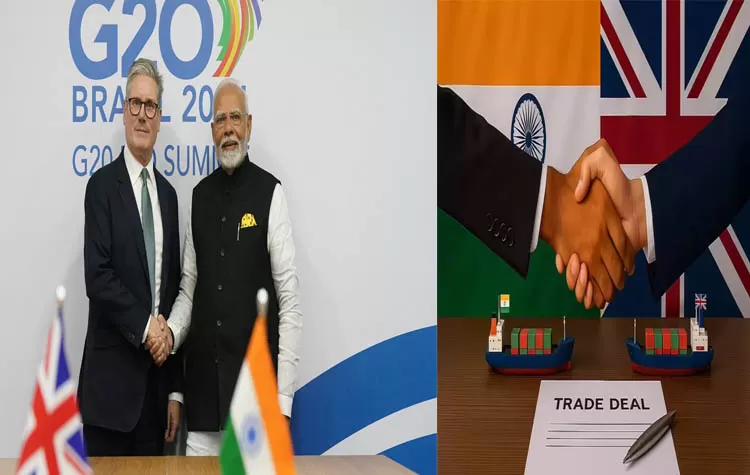
The India – UK trade relationship is moving into kind of a decisive phase,as both countries seem to push harder to sort out the pending points and also speed up the rollout of their long-awaited Free Trade Agreement, (FTA) . Recent high-level discussions suggest there is real momentum,as they try to close the critical gaps that have been holding implementation back.
And this is getting attention worldwide because it could end up reshaping how India and the UK trade with each other, how export chances look, and even the broader global economic cooperation mood going into 2026.
India and UK Strengthen Economic Partnership
India and the United Kingdom have reaffirmed they want to deepen their economic cooperation in a more serious way. During the latest round of talks, both sides said they will work through lingering concerns and make sure the trade agreement runs smoothly, at the earliest stage they can manage.
Main topics that came up included :
- Building stronger India–UK economic links
- Supporting higher bilateral trade growth
- Backing long-term global trade expansion
- Making the FTA implementation process move faster
This renewed push signals that both countries intend to develop a stronger, future-ready trade corridor, rather than just keep the status quo.
Steel Tariffs and Carbon Rules Remain Key Challenges
Even with progress, some trade barriers are still slowing down the final steps.
The big issues still in play are :
- The UK’s steel safeguard measures
- The proposed carbon border adjustment mechanism (CBAM)
- Tariff-related disputes that affect export competitiveness
India has said these measures may end up weighing on its steel exports,while the UK is still emphasizing protecting domestic industry standards.
So, in simple terms, these unresolved items are still the core of the ongoing negotiations.
High-Level Talks Between India and UK Leadership
Recent meetings between senior officials from both nations have helped keep things moving, and also kept the pace from stalling.
Discussions involved:
- leadership from India’s Commerce Ministry
- representatives from the UK’s business and trade office
- ongoing talks about how CETA is actually rolling out and where the implementation stands
Both sides stressed something like a constructive mindset for ironing out disagreements, while also keeping a solid economic partnership. it wasn’t presented as a fight more like a steady adjustment, step by step.
India–UK trade deal: economic impact and global importance
Once it’s fully in place, the India–UK trade agreement is expected to push up economic activity quite a lot and, in the same breath, help reinforce global supply chains.
The big gains people are watching for, roughly include :
- Growth in India’s export openings
- Bigger UK-India bilateral trade volume
- More manageable market access for firms
- A lift to “Make in India” exports
- More chances for MSMEs to take part in international trade
Many experts think the deal could free up billions in trade value over the next ten years, maybe more.
Key sectors likely to benefit from the India–UK FTA
The trade arrangement is seen as helping several fast moving areas like
- Textiles and apparel exports
- Engineering and industrial products
- Pharmaceutical and healthcare products
- IT services plus digital trade
- Gems and jewellery industry
- Automotive components, and manufacturing
Once tariff barriers come down, these areas should become more competitive in the UK market, at least according to most forecasts.
Why the India–UK trade deal matters in 2026
This agreement is not only a bilateral thing it’s more of a strategic economic milestone.
It also signals :
- India’s bigger, rising role inside global trade networks
- The UK’s post-Brexit trade expansion plan
- The growing need for diversified supply chains
- Stronger Indo-Pacific economic relationships
So yeah, it ends up looking like one of the more important international trade arrangements shaping how global markets operate in 2026.
Tags Cloud