
Trump’s New 12.5% Tariff Proposal Raises Concerns For India-US Trade Deal
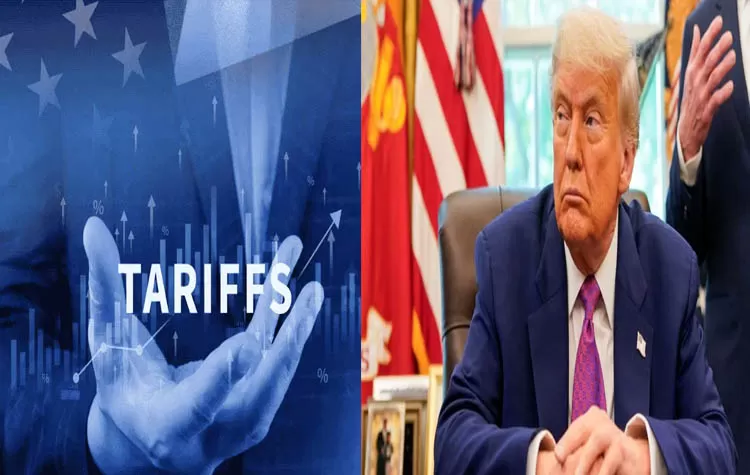
US Proposes Fresh Tariffs on Indian Imports
Right when India and the United States seemed like they were about to wrap up a long-awaited trade agreement, something else showed up, and now it’s all more complicated. A new tariff proposal from the Trump administration has stirred fresh uncertainty. The U.S. Trade Representative (USTR) is suggesting an additional 12.5% tariff on imports from India, this is under Section 301 of the US Trade Act, and the reason given is concerns tied to forced labor enforcement, especially across global supply chains.
And it’s not only about India. This proposal sits inside a wider trade initiative, aimed at more than 50 countries. Washington says these places haven’t done enough to stop the import of goods made through forced labor, or at least thats the line being used.
What Is Section 301 ,and why does it matter?
Section 301 is basically a strong trade mechanism. It lets the United States government investigate and react to what it labels as unfair foreign trade practices. Once violations are found, the US can slap on tariffs or other trade barriers, without needing approval from international trade bodies.
In this case, the Trump administration is leaning on Section 301 as a kind of shortcut, instead of the usual route, after running into legal challenges to earlier tariff programs.
Impact on India’s Export Sector
- If this 12.5% tariff is actually put in place, it could hit a range of Indian export sectors, like textiles, apparel, engineering goods, chemicals, and manufacturing products. Many exporters say higher duties might lower the competitiveness of Indian products in the American market, plus it could raise expenses for firms involved in bilateral trade.
- Trade experts also think the move could lead to short term problems for Indian exporters, especially while global demand is still shaky , and international supply chains are in the middle of big shifts and adjustments.
India-US Trade Deal is hitting a very critical test
The schedule of this tariff proposal, honestly, matters a lot, since India and the United States are in the middle of pretty intensive talks to wrap up a bilateral trade pact. Officials from both sides have said that the discussions are pretty near the finish line, and that only a handful of issues are still hanging around.
Still, this new tariff warning could make the negotiations harder, and yes it could also push the timeline out, if both countries don’t end up on the same page with something that works for each other. Trade analysts generally see the tariff plan as a pressure lever, and also as a bargaining instrument, meant to draw out firmer promises from trading partners.
India takes on the US tariff proposal
- The Indian government has said that talks with the US are ongoing, and they also stressed that the tariffs being mentioned aren’t actually finalized yet. Before any final call is made by US authorities, public consultations and hearings are expected to take place.
- In New Delhi, officials seem to stay optimistic that the constructive dialogue will continue. They also believe the larger trade connection between the two countries will not be harmed in any serious way.
So, what comes next ?
The next few weeks are likely to be decisive for India-US economic ties. Even though the proposed tariffs have raised concern among exporters and policymakers, both countries keep signaling confidence that a trade deal can still be reached. Businesses and other industry players will be watching carefully how the Section 301 proceedings turn out, and what happens during the next round of negotiations.
For now, that proposed 12.5% tariff is still under review , but its possible effects are already being treated like one of the most tracked developments in global commerce—and in India-US relations too.
Tags Cloud