
US-Iran Peace Deal 2026: 14-Point Agreement Promises Middle East Ceasefire, Hormuz Reopening And Sanctions Relief
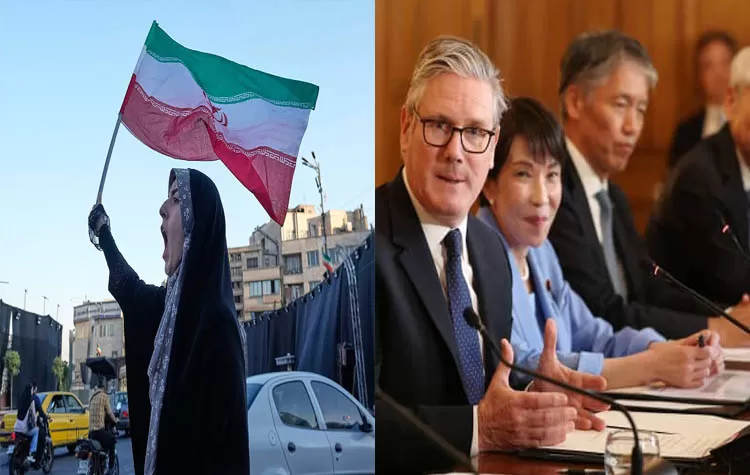
Historic US-Iran Agreement Points Toward a Big Turn in Middle East Politics
In a notable diplomatic push, the United States and Iran have reportedly wrapped up a broad 14 point peace outline meant to cool months of regional friction and bring back stability across much of the Middle East. The arrangement reportedly covers a permanent ceasefire, restarting access through the Strait of Hormuz, sanctions relief for Iran, and a huge reconstruction package , said to be worth hundreds of billions of dollars.
Many are calling it one of the most game changing geopolitical deals of 2026 , with real consequences for global oil markets, regional protection plans, and even whatever comes next in nuclear talks.
Permanent Ceasefire Across Several Fronts
One of the main parts in the suggested framework is the quick and lasting pause in military actions across multiple theaters, including conflict zones that are tied to Lebanon. The goal is to bring hostility down a notch, and basically set up calmer ground for longer term regional stability.
Officials also expect the proposed roadmap to extend the current ceasefire stretch while also clearing the path for wider diplomatic dialogue between the two states.
Strait of Hormuz Set to Reopen
Another big headline in the agreement is the intention to reopen the Strait of Hormuz within 30 days. This crucial shipping passage supports a sizable chunk of global oil and LNG movement, so getting it moving again is seen as very important for international energy security, and for ship routes overall.
Energy analysts argue this could help steady crude oil prices, and lessen stress in worldwide shipping as well as in commodity trading circles.
Major Sanctions Relief for Iran
The draft memorandum reportedly has some provisions that could ease, or remove restrictions on Iranian oil exports and energy products. It also seems to cover the release of frozen Iranian assets and a wider set of economic relief steps meant to help revive Iran’s economy, like a kind of “reset” without saying it so plainly.
Experts argue that sanction relief alone could meaningfully lift Iran’s energy sector and, at the same time, help rebuild economic linkages with international markets.
$300 Billion Reconstruction Package Proposed
Another big piece of the overall peace framework involves a reconstruction and development package, estimated to top $300 billion. The money is said to back infrastructure rebuilding, economic recovery efforts , and long-range development projects inside Iran.
In a broader sense, the proposal looks like part of an attempt to deal with the economic fallout from years of persistent regional instability, or at least that’s the way observers frame it.
Nuclear Issue Remains the Biggest Challenge
Even if the agreement covers several major trouble spots, the Iran nuclear program keeps hanging around as the main challenge. Both sides are expected to go into separate negotiations, looking closely at uranium enrichment, nuclear transparency, and future safeguards.
International observers have pointed out, that whether the peace initiative actually works may depend on what happens in those nuclear discussions later.
Global Leaders Welcome the Peace Initiative
World leaders and international organizations have mostly welcomed the proposed agreement, calling it a solid move toward regional stability and economic recovery. Governments across Europe, Asia and the Middle East have stressed the need to hold the ceasefire, and keep pushing diplomatic solutions, steadily.
It’s also been praised for its potential to upgrade maritime security and to keep energy supplies flowing without interruption around the world.
Concerns and Opposition Continue
Despite widespread support, the proposed deal has faced criticism from political groups and security experts who argue that key concerns, including Iran's nuclear ambitions and regional influence, have not been fully addressed. Opposition voices in both Iran and Israel have questioned whether the framework adequately protects long-term security interests.
Tags Cloud