
Strait Of Hormuz Reopening Faces Major Challenges Despite Middle East Peace Deal
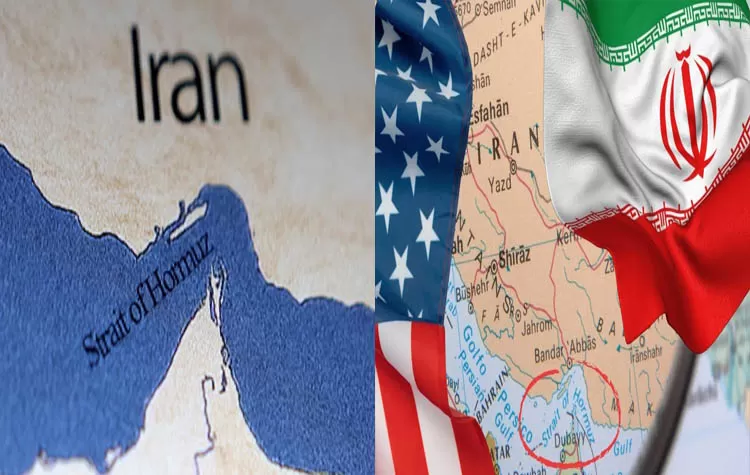
Strait of Hormuz Still Not Quite Back to Usual Operations
Even though tensions in the Middle East seem to have eased after a reported agreement between the United States and Iran, global shipping and energy markets probably will not “snap” back to normal right away. Analysts say the Strait of Hormuz, which is one of the world’s most critical oil and energy passageways, is still dealing with real operational friction and security headaches.
That stretch of water moves about one-fifth of global oil shipments and liquefied natural gas transfers. In the months when conflict was at its peak, the flow of shipping was badly interrupted, and that helped push oil prices higher, while leaving international markets with lots of uncertainty.
Mine-Sweeping Efforts May Run For Weeks
A major problem for getting traffic restored is the suspected presence of naval mines that were laid during the fight. Maritime security professionals report that clearing the mines, plus confirming that the shipping corridors are safe, might take several weeks. Some estimates go beyond a month. Insurance firms and shipping businesses are still reluctant to route vessels through the area until safety can be proven.
And even with diplomatic momentum, most commercial shipping companies are expected to keep moving in a careful, restrained way. One missed mine, just one incident, could throw global trade off again, and in turn send transport costs upward.
Oil Markets Show Relief But Risks Remain
Oil markets did react with some relief after news of improving relations and the reopening agreement. Crude oil prices stepped down from recent peaks, giving consumers and companies a bit of breathing room. Still, many analysts think energy costs may stay higher for months ,because of slow logistics, damaged infrastructure, and the gradual return of available shipping capacity.
Energy experts have noted that hundreds of vessels got caught up during the crisis, and that it is now creating this kind of backlog which will take time to iron out. Tankers that were stranded in regional waters , plus broader supply chain disruptions, and even higher insurance premiums are still pressing on the market
Global economic impact
The Strait of Hormuz episode basically shone a light on how fragile global energy supplies can be. Nations that rely heavily on Middle Eastern oil and gas imports , including several big Asian economies , have had growing worry about fuel security as well as inflation pressures. Banks and other financial institutions also have warned that if the disruptions drag on, it could spill into economic growth, currency stability, and industrial production in a more direct way
Even though newer diplomatic steps have cooled the immediate fears, many industry observers argue that full normalization is still not a sure thing. Safe navigation and mine clearance, along with restoring shipping confidence and keeping geopolitical relations steady , will all matter a lot for how fast the region gets back to routine operations again.
Tags Cloud