
Anthropic Engineer Fiona Fung Warns AI Coding Tools May Be Hurting Developers’ Collaboration
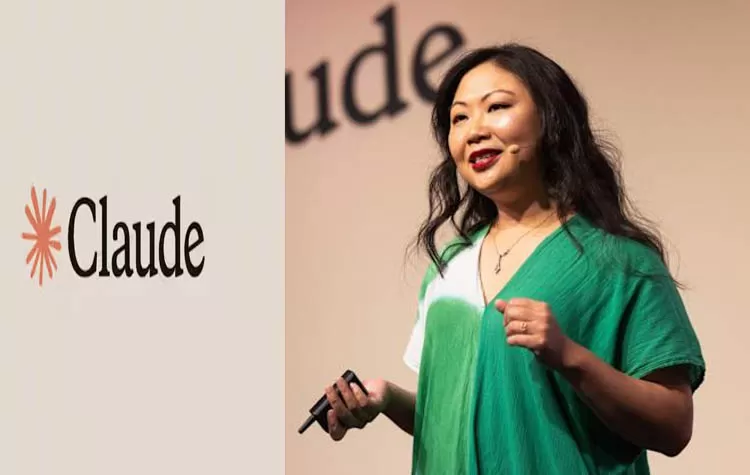
AI Coding Tools like Claude Code Are Changing how Software Engineers Work
Artificial intelligence is rapidly transforming software development, but Anthropic engineering leader Fiona Fung has raised a few concerns about one odd downside , isolation among developers. In a conversation about the growing use of AI coding assistants such as Claude Code, Fung said that yes, these tools can make people faster, but they might also weaken team collaboration and turn coding into something a bit more solitary.
As AI coding agents, generative AI tools , and developer automation platforms become more and more common across tech, engineers are spending more time talking with machines and less time trading ideas with teammates. Fung suggested that this shift has already started showing up in how software teams communicate, learn, and solve problems, together.
Fiona Fung Says Heavy Dependence on AI Agents Made Coding “Lonely”
Fiona Fung revealed that Anthropic noticed an unusual side effect when developers started leaning heavily on AI powered coding systems. She explained that engineers who were using tools like Claude Code quite a lot, ended up spending most of their time with AI agents , not collaborating directly with colleagues.
Fung said that working with AI for coding, debugging, and problem solving can feel “lonely” because developers were focused on interacting with their AI assistants for the day to day tasks, instead of jumping into team discussions. She also noted that this may damage the shared learning culture that’s usually a core part of software engineering.
Anthropic’s Solution: Bring Engineers Back Together
To tackle the collaboration problem that comes with AI assisted development, Anthropic apparently rolled out a few initiatives that are meant to get engineers together in person. They reportedly started doing programming lunches , running hackathons, and scheduling this kind of “maker time” that lets developers work side by side, and yeah learn from how other people actually do their workflow in practice, not just on paper.
As Fung put it, those in person sessions helped engineers see how their peers use AI coding tools in slightly different ways. Because each developer kind of has a distinct habit for prompting, reviewing, and then refining AI generated code, doing it together made it easier for teams to pick up new techniques and boost productivity without fully giving up that human collaboration aspect
Why Pair Programming Still Matters in the Age of AI
Fung also emphasized that pair programming, plus those shared coding sessions, still matter a lot even when AI tools dominate the day to day work. If you watch another engineer interact with an AI system you can often spot stronger prompting strategies , better debugging methods, and more streamlined development patterns.
That point feels especially relevant now as more companies adopt AI software development tools , LLM powered coding assistants, and automation heavy engineering workflows at scale. Sure, AI can speed up implementation, but Fung’s remarks suggest that human collaboration is still key for building durable engineering teams, and for keeping knowledge moving across them.
Claude Code Gains Popularity Across Startups and Engineering Teams
Claude Code has been getting more traction across startups and software developers tackling complicated technical work. There are reports that a bunch of founders, plus venture capital backed startups, are using AI coding assistants more and more to speed product development, handle repetitive tasks automatically, and ease engineering bottlenecks.
The rise of these tools has also kinda helped push the wider trend of “vibe coding,” where people make apps and software products by using natural language prompts instead of the old school manual coding. And yeah, this shift seems to make software development more doable, even for non-technical founders, solo entrepreneurs, you know.
The bigger argument around AI in software development
Fung’s remarks build on the larger conversation about what artificial intelligence is doing to engineering culture. On one side, AI coding assistants can boost speed, raise productivity, and make experimentation easier. But on the other side, if teams get too dependent on AI, it can weaken collaboration, lower peer learning, and even shift how groups actually build software together.
As AI coding tools, developer copilots, and automated programming platforms keep getting used more and more, companies might need to strike some kind of balance between getting extra output and still keeping real team interaction. Anthropic’s take sort of implies the future of coding won’t hinge only on “smarter” AI, but also on protecting the human part of engineering.
AI coding revolution still needs human cooperation too
Anthropic’s Fiona Fung has made it pretty clear that AI coding tools, like Claude Code, are strong, but they come with trade-offs. Her kind of caution points to a real issue for the tech world: making sure AI-assisted software work improves what engineers do, without quietly turning them into separate islands.
And as businesses keep pumping money into AI programming tools, machine learning coding assistants, and newer developer platforms, the main question is going to be this: can teams use AI to move faster and still stay in the loop—learning, exchanging ideas, and building together.
Tags Cloud