
US Judge Blocks Trump’s Latest Birthright Citizenship Order: Major Setback For Immigration Policy
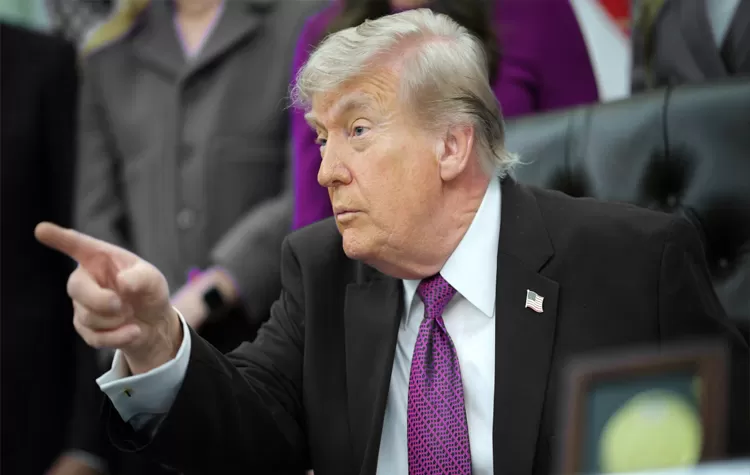
A federal judge has just thwarted another attempt by President Donald Trump to curtail birthright citizenship.
U.S. District Judge Deborah L. Boardman in Maryland issued a preliminary injunction on Wednesday, blocking the Trump administration from enforcing the latest executive order that would strip some newborns of automatic U.S. citizenship.
The order blocks the enforcement of a recent Trump administration order that would limit birthright citizenship for some children born on American soil, for at least the duration of the class-action lawsuit against the government.
What’s the New Trump Order About Birthright Citizenship?
The controversial Trump order that was blocked by the federal judge was signed on August 6, 2022.
It came after the U.S. Supreme Court struck down an earlier, broader Trump order designed to decimate birthright citizenship.
The new Trump order targets several specific classes of persons not entitled to automatic U.S. citizenship, including those “born outside the territorial jurisdiction of the United States,” “alien enemies,” and “illegal immigrants,” according to the order.
Birth tourism is when foreign nationals travel to another country with the sole purpose of giving birth there and claiming that that country’s citizenship for their child.
President Trump’s new order targets birth tourism and persons claiming citizenship through “adoption or other means.”
Why Federal Judge Blocked the New Trump Order
Judge Boardman ruled that the most recent Trump order attempting to limit birthright citizenship is likely unconstitutional, basing her ruling on the Supreme Court’s recent rejection of Trump’s previous order.
She noted that children who fit the categories described in the class-action lawsuit against the Trump administration are citizens “at birth,” which cannot be denied.
Boardman’s order prevents federal agencies from enforcing the Trump order against the children named in the lawsuit.
However, the federal agencies named in the lawsuit can continue to prepare and issue regulations and guidelines concerning the implementation of the citizenship order.
14th Amendment: Main Character in This Citizenship Saga
- The main issue in this Trump v. Hawaii case is the 14th Amendment to the U.S. Constitution, which generally gives birthright citizenship to anyone born on American soil, with few exceptions.
- This amendment was adopted in 1868, right after the U.S. Civil War ended.
- President Trump has been waging a campaign to decimate birthright citizenship, and his first executive order in this regard was struck down by the U.S. Supreme Court.
What Does This Citizenship Case Mean Going Forward?
So, the immediate effect of Wednesday’s court ruling is that the Trump administration’s new citizenship order targeting some newborns will not be enforced against the children named in the class-action lawsuit.
Going forward, this does not necessarily close the book on the Trump administration’s efforts to limit birthright citizenship for several reasons.
First, the Trump administration may appeal this ruling to the U.S. Court of Appeals and then all the way to the U.S. Supreme Court.
If the final arbiter of constitutional disputes, the U.S. Supreme Court, accepts the case, it will have significant bearing on the future of birthright citizenship and the executive orders issued by President Trump in this regard.
Tags Cloud