
India Simplifies Visa Application Process For Foreigners, Cuts Paperwork By Up To 70%
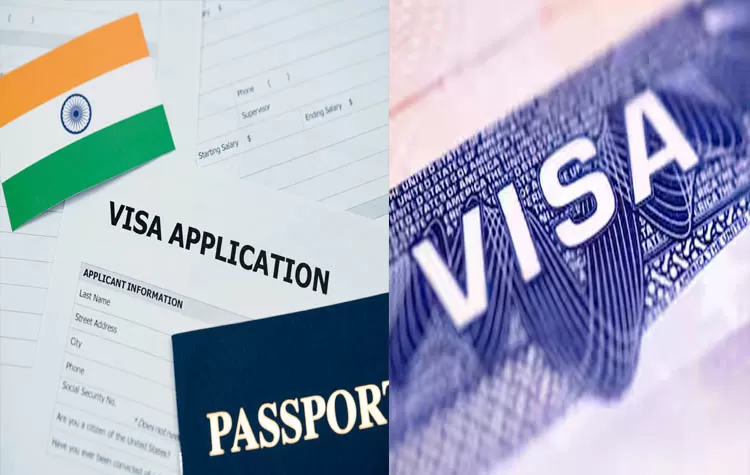
The Government of India has made key updates to its visa process to make it easier for foreign nationals to visit India for tourism, business, study and medical reasons. The number of main visa categories has been cut from 13 to 9. And the number of sub-categories has been reduced from 49 to 23.
The Ministry of Home Affairs (MHA) have reduced the number of fields required to complete on visa application forms by approximately 65-70%. This will reduce the amount of time and effort put into completing a visa application to visit India.
India Reduces Number of Visa Categories from 13 to 9
As part of the visa policy update, a number of duplicate visa categories have been merged to make it easier for overseas travellers to determine what visa they require.
There are now 9 main categories of visa:
- Business Visa
- Diplomatic Visa
- Work Visa
- Journalist Visa
- Medical Visa
- Official Visa
- Student Visa
- Visitor Visa
- Miscellaneous Visa
This follows a previous update in October 2025 whereby main visa categories were reduced from 22 to 13.
Visa Application Documents Reduced by 70%
One of the major changes within the new visa policy is a reduction in the amount of documents required. Within each of the 23 visa sub-categories, the MHA have made updates to the visa application forms to reduce the number of fields by 65-70%.
Whilst important information will still need to be gathered to verify and process the visa, any unnecessary and repetitive questions have been removed.
This will also help improve efficiency within the administration.
Tourist Visa Now Known as Visitor Visa
The Tourist Visa has changed to a Visitor Visa.
Within this category there are 2 types of visa:
V-1 Visa – Short term. This visa will be issued for 30 days with multiple entries. This includes tourism, business meetings, medical appointments, wellness holidays, short term medical treatments and short courses for Indian languages, music, art and craft.
V-2 Visa – Long term. This visa can be issued for 1, 5 or 10 years depending on eligibility. This includes everything included within the V-1 Visa but also mountaineering.
Updated Medical and Student Visas
- The government have updated the medical visas to make it easier for international patients to visit India.
- Medical visas for traditional medical treatment and AYUSH treatment will generally be issued for 1 year with multiple entries. There will also be specific visas for medical attendants.
- Student visas have been simplified. The S-1 Visa includes all categories of schooling, undergraduate and postgraduate. The S-2 Visa includes research, PhD studies, visiting faculty roles, internships and student exchanges.
- International students who are eligible will be able to receive multiple entry e-S1 visas for up to 5 years or the length of their course, whichever is shorter. This will be for those applying through the Study in India portal.
Easier Rules for International Investors, Business Professionals and Technical Specialists
Within the new visa system, changes have been made for international investors, business professionals and technical specialists.
Business visas have been split into B-1 and B-2. The B-1 visa is for long term business purposes such as setting up industrial/commercial businesses within India. The B-2 visa is for short term contracts such as conferences, investment in production, sporting events, cultural shows and film.
International engineers, technical experts and specialists working for Indian companies to install, maintain, train, transfer technology and produce may benefit from the updated Production Investment Business Visa rules. This can be applied for through the e-Visa system.
India e-Visas for 172 Countries
- Currently India offer e-Visas to 172 countries. These fall within 13 sub-categories.
- With these latest changes, India's visa system will become more appealing to international tourists, medical travellers, students, researchers and investors.
- Updates are being made to the Governments IT systems to ensure they can deliver the new visa system. New visas will be issued by the end of 2026.
New Visa Rules Will Encourage More Tourism and International Travel
This latest update to the visa system is part of the Governments efforts to encourage more foreign tourist visits, increase medical tourism, attract international students and improve business opportunities.
By reducing the amount of requirements needed to apply and simplifying the visa categories, the Government want to make it easier for people to visit India.
The new visa system will benefit foreign nationals wanting to visit India for holidays, medical treatment, further education, research, investment and professional purposes. Once completed, the simplified visa system can help improve India's global tourism and business links.
Tags Cloud