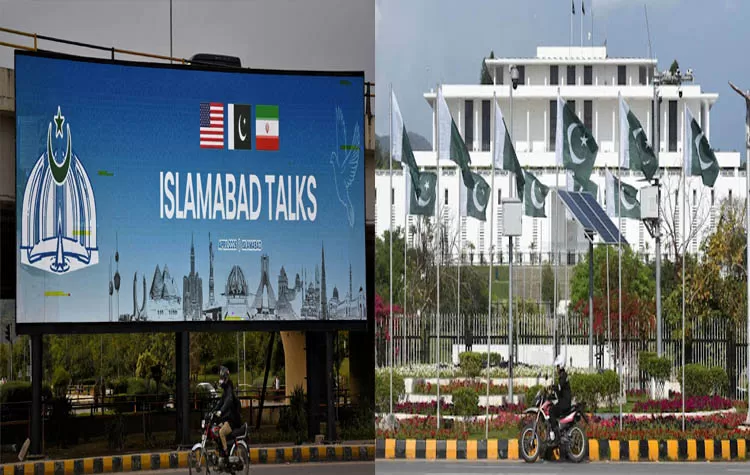
Islamabad Prepares For New Round Of US-Iran Peace Talks
- The US and Iran diplomatic efforts are about to reach a new critical stage. The two nations will start new talks next week when their officials meet in Islamabad according to reports. The planned discussions are being viewed as an effort to reduce tensions in West Asia and strengthen the current ceasefire arrangement.
- The upcoming meeting could become one of the most significant attempts in recent months to reopen dialogue between Washington and Tehran. Pakistan's capital Islamic Republic of Pakistan currently serves as a rising diplomatic center for this upcoming diplomatic event.
Islamabad Emerges as a Diplomatic Venue
- Islamabad has become an increasingly important location for international meetings that require confidentiality. The US and Iran will use the upcoming meeting to create a broad diplomatic framework according to media reports.
- The proposed framework reportedly includes a 14-point Memorandum of Understanding. The document will handle multiple ongoing disputes between the two nations. The issues include Iran's nuclear activities and uranium reserve management and security threats in the Strait of Hormuz region.
- The officials have not shared the complete schedule for negotiations. The political analysts believe both parties must stop the situation from increasing tension in the area.
Key Issues Expected in the Proposed Agreement
- The US Iran peace negotiations focus on Iran's nuclear program as their main point of discussion. Western governments have voiced their worries about uranium enrichment activities and the resulting dangers to regional security. Iran maintains that its nuclear activities serve peaceful purposes according to its official stance.
- The future of economic sanctions which the international community has placed on Tehran represents another significant problem for resolution. The Iranians have maintained their position that US sanctions must be removed as a prerequisite for establishing a permanent agreement. The two parties reached an impasse during their earlier talks because they could not agree on when and what sanctions should be lifted.
- The proposed memorandum may also include measures to reduce military tensions in the Strait of Hormuz. The waterway stands as one of the most crucial international shipping lanes which delivers oil and gas supplies.
- Diplomatic sources suggest that successful negotiations in Islamabad could lead to an extension of the current ceasefire arrangement between the two countries.
Donald Trump Shows Hopeful Signs About Ongoing Talks
- The US President Donald Trump declared that his administration anticipates receiving an Iranian response about American proposals which relate to the ongoing regional conflict. Trump told reporters that upcoming developments would bring better understanding about the situation.
- Donald Trump said during an interview that people would soon learn whether Iran had been postponing talks with the United States. His comments showed moderate hope while he maintained ongoing pressure toward the Iranian government.
- Trump discussed the potential return of "Project Freedom" which serves to guarantee safe vessel operations in the Strait of Hormuz. The president confirmed that "Project Freedom Plus" serves as a more advanced initiative which will be activated if negotiations do not take place.
- He explained that the security plan would expand its operations to include multiple security functions which will protect all shipping activities in commercial waterways.
Strait of Hormuz Remains a Major Concern
- The US and Iran dispute today maintains its focus on the Strait of Hormuz. The waterway which connects vital oil-producing nations to international markets maintains its status as a critical region during military conflicts.
- The recent area incidents have raised international worries about shipping security and the stability of the region. Any strait interruption will impact both worldwide energy distribution systems and international commerce.
- The Islamabad discussions will focus on Persian Gulf security arrangements which have become essential to both parties involved. Both sides may attempt to establish mechanisms that reduce the risk of direct confrontation at sea.
Iran Warns Against Further Military Activity
- Iran has issued a formal diplomatic warning to the United States which contains strong language. Amir Saeid Iravani the Permanent Representative of Iran to the United Nations sent a letter to UN Secretary-General António Guterres which accused the US of breaking the ceasefire by conducting military operations in the Strait of Hormuz.
- In the letter Iran warned that the United States must stop its military operations in the Persian Gulf because those activities would create dangerous results. Tehran asserted that military force would undermine diplomatic negotiations and lead to increased conflict throughout the region.
- The warning highlights the fragile nature of current relations between the two countries. The governments wish to continue their discussions yet mistrust remains the primary barrier to progress.
The Upcoming US-Iran Talks Will Have Regional Implications
- The US and Iran peace talks scheduled for Islamabad will determine the future of West Asian regional diplomacy. The Gulf crisis will decrease through a successful agreement which will improve shipping security and establish talks about nuclear and economic matters.
- At the same time, major disagreements still remain unresolved. Questions surrounding sanctions, military activity, and long-term security guarantees continue to divide Washington and Tehran.
- For now, international attention remains focused on Islamabad, where the next phase of dialogue could influence political and economic stability across the region.