
SpaceX And OpenAI Prepare For Historic IPOs
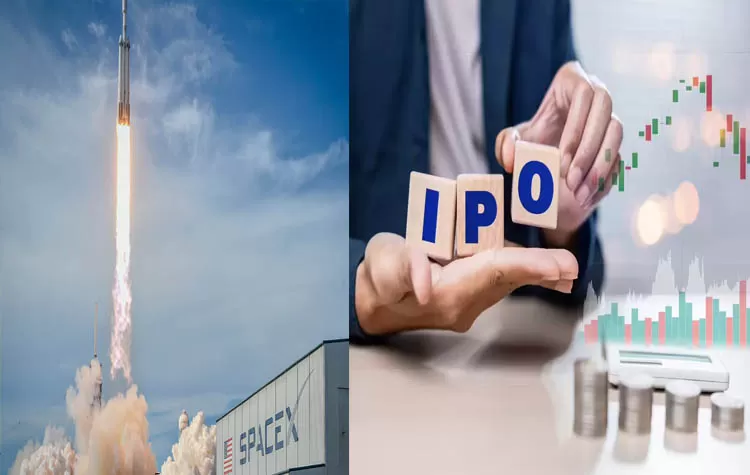
Two of the world’s most closely watched tech companies are, kind of, gearing up for public offerings. SpaceX and OpenAI may soon make their way into the stock market via IPOs that could become some of the biggest deals in Wall Street history. The idea of these listings alone has already pulled in investors, analysts, and that broader technology industry chatter too.
SpaceX MovesToward a Public Listing
SpaceX, the aerospace company led by Elon Musk, is reportedly getting ready to roll out its IPO next month using the ticker symbol SPCX. The company has reportedly finished the regulatory submissions that are needed, which is a big milestone on the path to becoming a listed, publicly traded business.
If the IPO proceeds like people expect, it could end up setting fresh records for market capitalization and appetite from investors. SpaceX has grown into one of the most influential private firms on the planet, thanks to commercial rocket launches, satellite systems, and space exploration programs.
A public listing would basically put investors face to face with a business that stayed private for most of its rapid expansion, sort of.
Elon Musk’s Wealth Could Reach New Heights
Elon Musk owns a large stake of SpaceX, and a public debut could boost his personal fortune quite a bit. Right now, estimates put SpaceX’s valuation around $1.25 trillion, give or take. Musk’s share is believed to be worth over $600 billion, though the exact figure depends on how the market prices things.
Musk is already sitting among the wealthiest people in history. Last year he became the first person, at least reportedly, to reach a net worth of $500 billion. Now some analysts argue that the combined effect of his positions in SpaceX and Tesla could, eventually, push his total wealth beyond the one-trillion dollar ceiling.
If that happens, Musk could become the first person ever to hit trillionaire status, it just feels like.
Inside SpaceX financial positioning
Recent numbers suggest both strong growth and major, very heavy costs at SpaceX. The company generated roughly 18.6 billion dollars in revenue last year. At the same time it logged a net loss of 4.9 billion dollars.
SpaceX currently shows assets around 102 billion dollars. Those assets cover rockets, launch systems, and the surrounding infrastructure. Still, the firm also carries liabilities estimated at 60.5 billion dollars.
You can see this as the aerospace industry doing what it always does. Rocket development, satellite deployment, and longer term research efforts demand big capital commitments over many years.
Even with losses still on the books, many investors keep seeing SpaceX as a major engine for what commercial space activity becomes next.
Legal and business headaches SpaceX has to manage
SpaceX also faces legal and financial pressures. There are reports the company is tied to lawsuits that total close to 500 million dollars. Some conflicts seem connected to projects that involve Grok and other side business operations.
Besides aerospace work, SpaceX is also connected to the social media platform X. That link brings an extra layer of public, as well as monetary attention to what the company does day to day.
Legal fights plus operational expenses could matter a lot for investors later, especially once SpaceX enters public markets. Public firms usually get tighter monitoring from regulators, shareholders , and financial commentators.
OpenAI is talking about a major IPO too
OpenAI is reportedly gearing up for a possible IPO as well. The company behind ChatGPT has grown fast, driven by climbing worldwide demand for artificial intelligence tools and services.
Private investors currently put OpenAI at something like $850 billion. The company is also, reportedly, working with big financial players, including Goldman Sachs and Morgan Stanley, as it gets ready regulatory filings for a public offering, kind of like the final stretch before making it official.
Right now, most expectations point to an OpenAI IPO landing sometime in the fourth quarter of this year.
And then there were the recent remarks from OpenAI Chief Financial Officer Sarah Friar, which only added more fuel to the speculation. She said it might be useful for OpenAI to run in a more public-company way, and a lot of observers took that as a not-so-subtle hint toward future IPO plans.
Why These IPOs Matter to Wall Street
The anticipated IPO moves from SpaceX and OpenAI show how investor enthusiasm is steadily shifting toward advanced tech areas, like artificial intelligence and private space exploration.
Both firms have become leaders in fields that many people think will help steer the global economy over the next decade. If they go public, their offerings could pull in serious interest from institutional investors, as well as retail traders who tend to move fast once momentum starts.
Also, these listings might change how later-stage technology startups think about fundraising and expansion. Big IPOs often become a sort of scoreboard for the market, and they can push investor confidence—across the broader tech ecosystem.
For Wall Street, these offerings are more than just brand-new ticker symbols. They’re a sign of the increasing financial weight of companies built around AI, aerospace innovation, and large-scale digital platforms, and that shift is getting harder to ignore.
Tags Cloud