
Elon Musk And The Race To Become The First Trillionaire
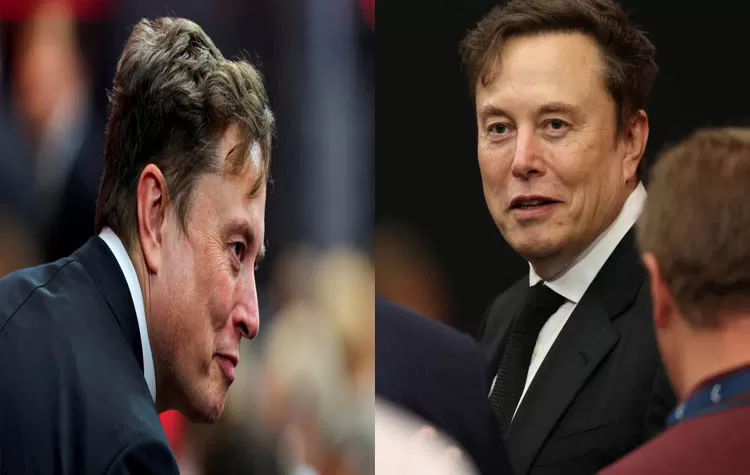
A SpaceX public offering could turn into, one of the bigggest financial moments in modern business history, honestly. Analysts think the company might end up at a valuation no one has really seen before inside the private space world. If those projections, do what they say they will, then Elon Musk might become the first person to reach a trillion dollars overall.
This whole idea sticks very close to the expected IPO for SpaceX, Musk’s chunky ownership share, and the company’s long-term plans for expansion. People in favor read it as a kind of proof that technology ventures can generate enormous, almost unruly, amounts of value. Skeptics say the projections lean too much on future expectations rather than what the current financial numbers actually show.
Why the SpaceX IPO Matters to Global Markets
SpaceX has moved from a private aerospace startup into something like one of the most valuable firms around. It runs launch services, provides satellite internet via Starlink, and also works on deep-space exploration efforts. Investors tend to treat these lines as long-range growth engines, not just side projects.
Lots of market watchers expect the SpaceX IPO to pull in huge demand from institutions as well as everyday buyers. Some estimates even suggest the debut could come in at a valuation near $2 trillion. If that turns real, it would probably become the largest initial public offering in Wall Street history, by a wide margin.
Also, making it public would signal a major turn for the private space sector. Up until now, most space companies stayed reliant on government contracts ,or venture funding, or both. SpaceX, though, has shown that commercial space operations can be highly profitable and genuinely scalable on a global level.
How Elon Musk’s Ownership Could Cross the Trillion-Dollar Mark
- Based on reports linked to SpaceX’s IPO planning, Elon Musk holds roughly 5.1 billion shares in SpaceX. He’s also been reported to have around 350 million stock options priced at $8.39 each.
- If SpaceX manages to hit a $2 trillion valuation during its market debut, then the value of Musk’s holdings could end up exceeding roughly $1.1 trillion. Even if the valuation lands lower, say $1.75 trillion, analysts still think his combined wealth from SpaceX, Tesla, and other ventures would keep him above that one trillion-dollar line.
- That scenario would essentially put Elon Musk in a class of his own, sort of the first “thriliniore” in modern history. It would also widen the wealth gap, much bigger than the usual differences seen in earlier lists of the world’s richest people.
- The size of this projected fortune really shows how modern technology founders can keep substantial ownership, while building companies that spread influence on a global scale.
The Business Strategy Behind SpaceX’s Massive Valuation
SpaceX’s valuation is not just about rocket launches, it’s also about what investors think comes next. People are valuing future infrastructure—connected to space technology, and not only the flight itself.
A major driver is Starlink, the satellite internet system. Starlink already serves customers across multiple countries and keeps expanding, with a speed that seems almost aggressive. That kind of recurring revenue tends to earn investors more attention, and higher valuations.
Then there’s vertical integration. SpaceX engineers and manufactures a lot of the tech inside the company. This lowers launch expenses, and also gives tighter operational control, which matters a lot when timelines shift.
The company also benefits from solid government relationships. NASA contracts, plus defense partnerships, bring financial steadiness while also backing research programs that may last for years.
Musk’s wider plan, in a way, ties together transportation, communication, and even long-term space settlement goals into one kind of ecosystem. Supporters argue that this integrated approach could, over time, justify extremely high valuations.
Stock Rewards Linked to Mars and Space Infrastructure
Part of Musk’s compensation package reportedly includes performance based restricted shares, sort of tied to long term goals that sound… pretty ambitious, like almost too far out there honestly.
In one agreement Musk could earn an extra 1 billion shares if SpaceX hits a market valuation of $7.5 trillion. Still that payoff isn’t really automatic, it depends on SpaceX helping set up a durable human settlement on Mars with a population of at least one million people.
There’s also another reported incentive, involving 300 million restricted shares. Those shares would only become available if SpaceX reaches a $6.6 trillion valuation and builds large scale extraterrestrial data centers, with yearly capability climbing to 100 terawatts.
Taken together, these conditions show how closely SpaceX is linking financial upside to a very distant expansion. Honestly not many companies in history have connected executive pay to targets on this kind of scale, so directly
How the IPO Could Create New Billionaires
- The upcoming IPO might not benefit Elon Musk alone. Several senior executives and early stakeholders could see their wealth rise pretty fast, too.
- Some reports say SpaceX President Gwynne Shotwell, CFO Bret Johnson, and board member Luke Nosek could also become billionaires if the company reaches its valuation goal.
- This fits with a broader pattern in tech driven businesses. Big IPOs often turn into a lot of wealth for employees, investors, and founders who joined during the earlier growth phases.
- It could even help route new money into private space ventures. Venture capital firms may treat SpaceX as proof that space technology can generate returns similar to major software companies.
Criticism and Risks Behind the Trillionaire Forecast
Not everyone agrees with the trillion-dollar projections orbiting Elon Musk and SpaceX .
Critics say a lot of those valuation estimates are basically built on future expectations, not present earnings. Space exploration is still expensive, tightly regulated, and, yes technically risky too.
Some analysts also wonder if public markets would even back multi-trillion-dollar valuations for aerospace firms. Economic slowdowns, regulatory pivots , or missions that simply don’t land right could cool investor confidence fast, like really fast.
There are also bigger worries about wealth concentration. The idea that one person could steer control worth more than $1 trillion has reopened arguments about taxation, corporate influence and economic inequality.
Supporters answer that disruptive innovation can generate unusual financial outcomes. They contend that when a company builds a new industry from scratch it usually earns a kind of premium valuation, naturally.
What this means for the future economy
The rise of SpaceX is more than personal wealth creation . It suggests a change in how markets price frontier technologies .
For years, fields like aerospace depended a lot on governments. SpaceX has shown private companies can drive innovation in areas that used to feel too costly or too complex for broad commercial expansion.
If Elon Musk becomes the first thriliniore, that milestone would likely serve as a symbol for the rising economic power behind technology-driven infrastructure businesses . It may also shape how future entrepreneurs design ownership, compensation, and longer-term investment strategies.
At the same time, the whole thing could heat up debates around regulation, wealth distribution, and the social consequences of extreme financial concentration.
The SpaceX IPO is therefore not only a business story. It may become a defining moment in the future relationship between technology, capital markets, and global economic power.
Tags Cloud