
India Faces Below-Normal Monsoon Outlook And Rising Heat Concerns
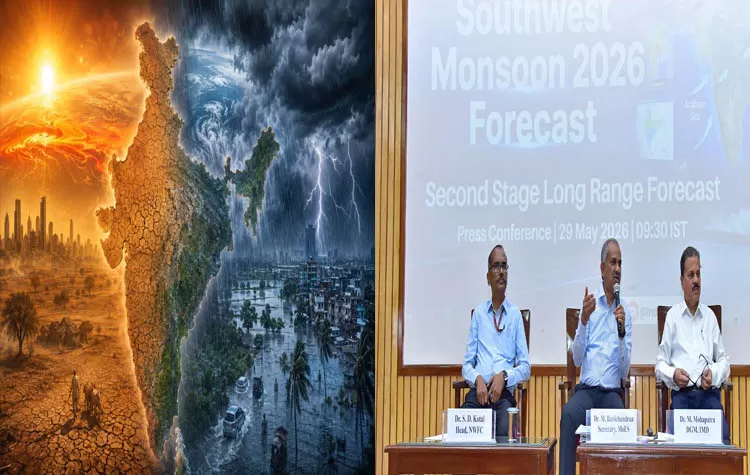
India is likely to get less rainfall than usual in the 2026 Southwest Monsoon season, according to the newest forecast by the India Meteorological Department (IMD). This monsoon season, June through September, tends to have a big influence on farming, water availability, and day to day weather patterns across the nation.
The IMD says seasonal rainfall could come in around 90% of the Long Period Average (LPA). The LPA is worked out from rainfall records collected from 1971-2020, and right now that figure stands at 87 centimeters. The department also notes that the Southwest Monsoon should reach the Kerala coast within the next seven days,more or less.
IMD projects weaker-than-average monsoon rainfall
Expected levels vs the Long Period Average
As per the IMD, rainfall across June–September is set to stay under the long term average. When seasonal totals hover around 90% of the LPA,it hints that many areas might receive slightly less rain than they would normally expect during those monsoon months.
When the monsoon hits Kerala
The IMD has stated that the monsoon is likely to arrive over Kerala within a week. This moment is kind of a threshold, because once the monsoon lands there, it signals the start of the rainy spell for wide parts of the country.
Regional rainfall picture through India
Outlook for Northeast India
Northeast India, however, is expected to see normal rainfall during the monsoon season. That forecast, it differs from what’s expected in several other regions.
What about the rest of the country
For most other regions, rainfall during June to September is expected to be below normal. Less rain could put pressure on water sources and farming plans in some places, depending on local conditions and how the pattern plays out on the ground.
June Rainfall Expectations / what to expect
National Rainfall Estimates
For June, rainfall across India is likely to stay under 92% of the Long Period Average, so the monsoon start may feel a bit weak , or at least not very strong.
What counts as deficient rainfall
Rainfall that drops below 90% of the LPA is officially labeled as deficient rainfall. So checking rainfall levels in the first part of the monsoon period will matter a lot, for judging the seasonal picture later on.
El Niño and possible knock-on effects
Current situation
Right now the IMD expects El Niño conditions to remain weak through June. El Niño is a climate pattern, it can affect rainfall, plus temperature, in many places around the world, India included.
By September , what might change
The forecast suggests that El Niño could become stronger by September , moving toward moderate or even strong phases. When El Niño gets stronger it is often tied to reduced monsoon rainfall in India, though it’s not the only weather factor that decides the final outcome.
More heat likely in several states
Where above-average temperatures are expected
The IMD is forecasting higher-than-normal maximum temperatures across many parts of the country during June. Places that could see hotter days include areas in:
- Uttar Pradesh
- Haryana
- Punjab
- Bihar
- Odisha
- Chhattisgarh
- Gujarat
- Andhra Pradesh
Those hotter conditions, along with rainfall that stays lower than expected, can raise heat-related risks in some regions.
NGT responds as heatwaves intensify
Tribunal’s view
The National Green Tribunal (NGT) has taken note of the harsh heatwave conditions impacting multiple states. The tribunal moved ahead on its own initiative, after a media report pointed to how extreme heat is affecting public health, work output, and everyday life.
Directions Issued to Governments and Departments
On May 25, the NGT directed the Central Government, several state governments, and relevant departments to submit affidavits on the heatwave situation. States named in the order include Uttar Pradesh, Rajasthan, and Gujarat. Departments such as the Forest and Environment Department have also been asked to respond.
The tribunal has scheduled the next hearing for August 18, when it will review the information submitted by the concerned authorities.
Tags Cloud