
Anthropic CEO Sparks Global Debate With Warning On AI-Driven Job Losses
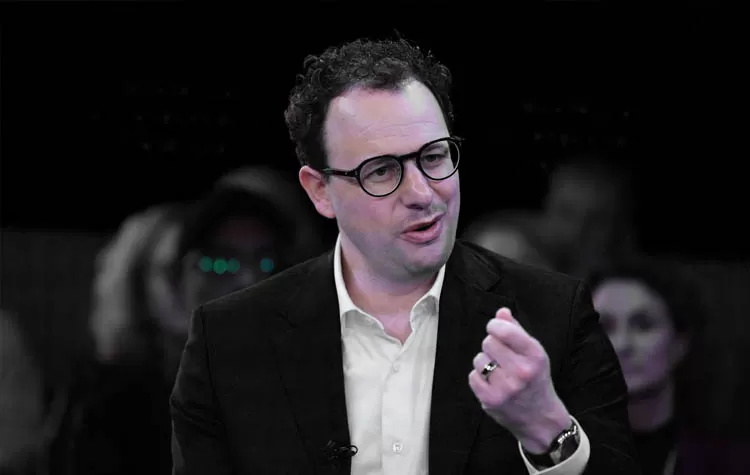
AI Revolution could reshape the global workforce
Artificial Intelligence is rapidly changing industries around the world. But not everyone imagines the future as fully optimistic. Recently, Anthropic CEO Dario Amodei sort of reignited the debate about AI and work by cautioning that large-scale workforce disruption might end up being unavoidable as AI systems become more capable, and you know, not just in theory.
In his view, the world could be heading toward major changes in how companies run day to day operations, particularly in areas that lean on white-collar, knowledge-driven jobs. These remarks have made the conversation louder, especially around the long-term impact of AI automation, employment, and economic stability, or stability in general.
Why AI layoffs are becoming a real problem
- Because advanced AI tools are now good enough to take over tasks that used to need whole teams. Think about software development, customer support, financial analysis, and even content generation. In practice, AI is increasingly handling responsibilities that feel pretty complex, with more speed and a certain efficiency that companies can measure.
- Amodei also suggests the transition may push companies into ongoing workforce restructuring. He said businesses will likely keep rolling out AI driven systems, mainly to boost productivity, trim expenses, and stay competitive in an economy that is leaning harder toward technology.
- And when organizations pour billions into AI infrastructure and automation, the worries rise too, about how workers will adapt, retool, and somehow stay relevant.
A call for government action that really matters
One of the key parts of Amodei’s message is his push for policymakers to get ready for the economic fallout that could come with AI adoption. He made the point that this is not only a Silicon Valley question, and it won’t be limited to a few tech hubs either. It could hit communities across whole countries, in ways people might not expect at first.
The Anthropic CEO said that governments should, um, start building long term plans to support workers who could get nudged out by automation. that kind of plan would involve job retraining programs, workforce transition efforts, and rules meant to help people adjust to a fast changing labor market.
AI companies are split, pretty clearly, on what happens next for jobs.
For one thing, not every tech leader sees the issue the same way. While some AI executives are basically warning of huge job displacement, others insist artificial intelligence will open new doors rather than just remove them.
Some industry experts think AI will operate like a productivity companion, boosting human ability instead of wiping out roles completely. They also bring up older technological revolutions, where new inventions eventually led to new industries and more jobs.
Still, critics of the more upbeat take say the pace of AI progress could make today’s shift a lot more disruptive than earlier tech turns.
Effects on software and technology careers
- The software sector is one of the main stages for this AI employment debate. Advanced coding assistants and AI powered development platforms are already shifting how software is written, checked, and maintained, in practice.
- As AI keeps getting better, companies might need fewer entry level employees for the usual routine work. That idea has made students, recent graduates, and even experienced people prepping for tech careers a bit uneasy.
- At the same time, the need for AI specialists, machine learning engineers, cybersecurity experts, and data scientists is also rising. so, for workers with the right skills, there are still new opportunities forming.
Getting ready for an AI powered future
The whole conversation around AI and jobs is no longer some far away idea. Companies, governments, schools, and workers are, honestly, starting to line up for a future where artificial intelligence is in the middle of daily work, like it or not.
Even though specialists don’t fully agree on how big the possible job losses could be, there is a kind of shared understanding that people will have to adapt their workforce, sooner rather than later. So, continuous learning, building digital abilities, and AI literacy are expected to turn into something more essential for keeping a career steady, not just a nice add on.
And since AI tech keeps moving forward at an unprecedented speed, the real social test will be how to balance innovation with economic safety. The goal is to make sure progress doesn’t only help businesses, but also supports workers in a practical way, day by day.
Tags Cloud