
Nvidia Expands H-1B Hiring And Raises Pay For AI Talent Amid Industry Layoffs
Visa pressure is quietly getting louder for laid-off H-1B workers
Lately, a lot of H-1B visa holders in the United States are running into job losses, mostly after recent layoffs in the tech world. After a person loses the job, they usually get about 60 days to land another position. If a new role doesn’t come in time, they have to exit the country.
And it’s becoming a bit harder, because big tech firms are slowing their hiring cycles, while also continuing workforce reductions. So for skilled foreign workers, there’s more uncertainty, specially for people in engineering and software type jobs.
Also, Indian professionals are a major part of the H-1B population, so the impact hits very strongly there.
Nvidia pushes H-1B approvals higher
In this setting, Nvidia is still moving forward with bringing in international talent via the H-1B visa system.
The company has received clearance to hire around 1,200 employees through the H-1B route for the first half of 2026. That’s up from roughly 1,000 approvals in the same months last year. The numbers come from federal filings.
This kind of jump suggests Nvidia still leans on global hires, especially for engineering tasks and research needs.
Very high pay for technical roles
Nvidia is also putting serious money on the table to attract senior engineers, research experts, and managers.
Reported annual base salaries include:
- About $391,000 (₹3.72 crore) for engineers
- Around $356,500 (₹3.39 crore) for research scientists
- About ₹3.61 crore for product managers
- Around ₹3.50 crore for hardware engineering managers
- Up to ₹4.64 crore for director level roles
And these amounts don’t cover stock awards or performance bonuses, which can end up adding more, sometimes a lot more, to the overall compensation.
There’s strong demand for AI know how and systems level expertise
When it comes to technical hiring Nvidia is currently leaning into more specialized kinds of roles. In particular AI algorithm engineers, plus principal system software engineers , are seeing especially high interest from recruiters and candidates.
On top of that, for some of these positions the full package, can go beyond ₹4 crore each year sometimes.
The hiring push seems centered around things like AI development, chip design, cloud infrastructure, and roles that are directly customer facing technical engineering. Basically these stay as the core focus zones for Nvidia’s continued product build out.
Moving AI hardware into personal computing
Nvidia is also stretching its AI hardware plan further than data centers only. They’re working on new AI powered “super chips” aimed at personal computers.
The idea is that these chips should let AI agents run tasks and manage the system with minimal reliance on the usual input gear, like mouse or keyboard.
If that really lands, it could end up shifting how people use personal computers over time, in a way that feels fairly noticeable.
RTX Spark reveal and Jensen Huang remarks
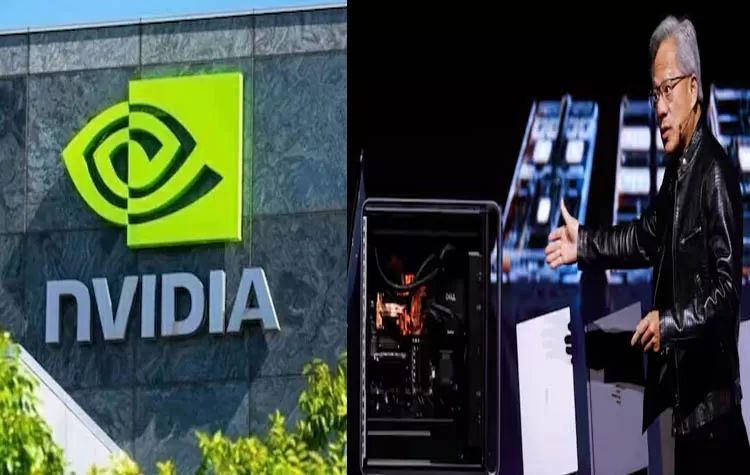
Nvidia CEO Jensen Huang shared this direction at an event in Taipei, Taiwan. The upcoming chip is being referred to as “RTX Spark” and it’s expected to arrive before the year ends.
What stands out in the message is how Nvidia wants to reinforce its position in the AI computing space, for both enterprise setups and consumer devices too.
Tags Cloud