
Oil Prices Surge Over 3% As Iran-Israel Conflict Reignites; Global Markets Brace For Energy Shock
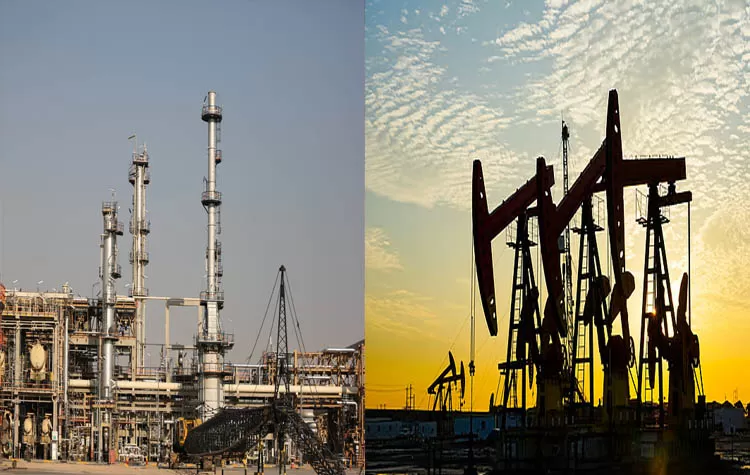
Middle East Crisis Hits the 100 Day mark
Global oil prices were up sharply on June 8, 2026 after renewed military tensions between Iran and Israel sparked fresh worry about energy supply disruption across the Middle East. This latest escalation is arriving at the same time the regional crisis slips past 100 days, and that alone is stirring up more uncertainty in international commodity as well as money markets, you know the usual chain reaction.
Crude oil prices surge on supply concerns
- Benchmark crude oil prices rose more than 3% , and in some signals from traders the upside looked like it might get near 5% during the sessions. Investors reacted quickly to reports of renewed hostilities, because they’re worried about possible stoppages in global oil shipments. Brent crude was trading near the $98 per barrel level, while U.S. crude futures also posted solid gains.
- Energy analysts argue that geopolitical tension is again acting as the main catalyst for oil market swings , which also means a bigger risk premium is being added to crude prices around the world.
Strait of Hormuz still the biggest headache
All eyes remain on the Strait of Hormuz, a strategically important passage and one of the planet’s most essential energy lanes. A large share of global oil exports flows through this narrow water route, so if anything goes sideways there, it turns into a major hazard for international energy security.
Market players are concerned that long lasting instability could reduce shipping traffic even more, lift transport expenses and effectively tighten global oil availability. Those fears have helped drive more assertive buying in crude markets and also triggered swings across energy related assets.
Global markets feel the impact
- The renewed conflict has not only pushed oil prices higher but also got global stock markets kind of rattled. Investors are starting to feel more uneasy, worrying that these higher energy bills could re ignite inflation tendencies and, at the same time, slow economic growth across several big economies.
- Sectors that rely a lot on fuel—including aviation, logistics, manufacturing, and transportation—are likely to see rising operational costs if crude keeps climbing. Economists say if oil price increases stay, long enough, they might ripple out into consumer spending and business investment everywhere.
What Happens Next ?
While diplomacy is still happening behind the scenes, real progress toward a durable ceasefire looks thin. Investors are watching the Middle East closely, especially any shifts involving the Strait of Hormuz and the wider regional oil infrastructure.
If tensions move upward again, analysts think crude could drift toward the $100 per barrel mark, which might trigger wider economic trouble for both developed and emerging markets. On the other hand, if serious diplomatic breakthroughs show up, energy markets could settle down and that would reduce strain on global supply chains, too.
Tags Cloud