
Court Blocks H-1B Fee Hike: What Changes For Indian Workers And US Employers?
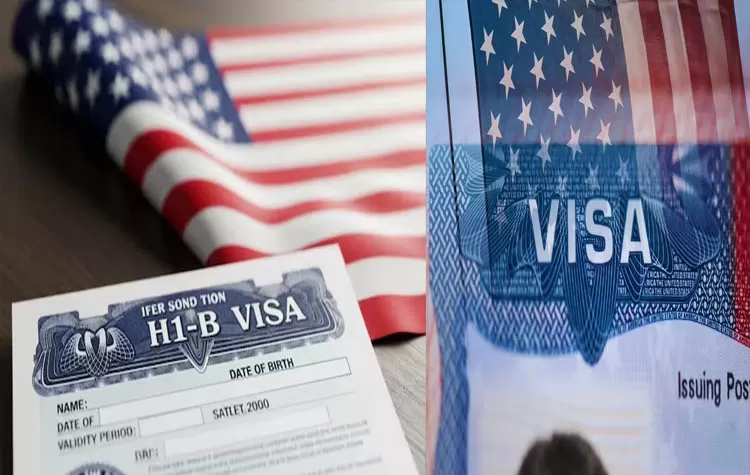
So, a US federal court just struck down the $100,000 fee that got slapped on certain H-1B visa applications. And yeah, a lot of businesses , immigration advocates, and people from the Indian community have welcomed it. The thing is, the ruling doesn’t change how many H-1B visas are available each year, but it could nudge hiring decisions and also shape what future immigration policy ends up looking like.
Why this decision is a big deal
The Boston federal court said the $100,000 H-1B fee was unlawful, mainly because it was never properly approved by US Congress. The court basically treated the fee like a tax. And if it acts like a tax, then Congress has to sign off, not just an administration doing it on its own.
Because of that, companies that hire foreign professionals might see lower overall costs, at least for now. Still, don’t assume the story ends here. The administration is expected to appeal. So, this could stay in the courts, for a few more months, maybe longer, depending on how things go.
A quick , messy overview of the H-1B visa program
- An H-1B visa lets US employers bring in foreign workers for specialized work. Usually these jobs need technical know-how, professional talent, or an advanced education kind of background.
- Every year, the United States issues 65,000 H-1B visas under the regular cap. Then there are another 20,000 visas for people who earned a master’s degree or higher from a US university. Put together, that’s 85,000 visas per year in total.
- And it’s worth noting that Indian professionals take the biggest slice of the approvals. They make up roughly 70% of H-1B recipients, so in practice they’re the group that feels the shift the most, if anything changes in the fee structure or enforcement.
How the $100,000 fee even happened
- Before this increase, companies generally paid something like $2,000 to $5,000 in H-1B related fees. Then the Trump administration increased it to $100,000 back in September. The stated goal was to push employers toward hiring Americans more, instead of leaning on foreign professionals for those specialized roles.
- The sharp rise really threw people off a bit, because so many businesses got nervous, and you could feel that right away. Companies that leaned on international talent ended up dealing with noticeably higher hiring costs, and in some places it made everything seem kinda lopsided . As a result, some employers scaled back their H-1B recruitment goals, not because they didn’t need people, but because the added expense was just too much.
- Then there was also the policy side, which sparked multiple legal disputes. Different groups challenged it , and they asked whether the government had the power to put such a fee in place in the first place.
The Court’s Legal Argument
The court didn’t really zoom in on whether foreign workers should be hired. Instead it focused on something more procedural, like whether the government took the proper steps under the law.
Judges found that Congress didn’t approve the $100,000 fee. And because of that , the court ruled that the government went beyond its authority when it rolled out the charge. So it wasn’t only about the amount being huge, it was about who is allowed to authorize it.
This decision, basically reinforces the idea that major taxes or closely related financial measures typically need lawmakers to sign off first.
What Happens Next?
Even though this ruling is a major setback for the policy, it might not be the final chapter. Government officials have already said they intend to challenge the decision in a higher court. If an appeal actually moves forward, the case could stretch out for months, or maybe even longer.
So until there’s a final ruling, employers and visa applicants will likely stay on edge, watching for any new developments.
How US Companies Could Benefit
The court’s ruling removes a big financial drag for companies that depend on skilled people coming from abroad, sort of like that. For a lot of firms it’s not small change, especially when they are trying to hire fast. Businesses in tech, engineering, healthcare, and research, often have a hard time filling specialized roles. Lower visa fees could help those employers recruit qualified talent without as much strain, or at least that is the idea.
Some companies might also rethink hiring plans that got paused because the fees went up. You know, a delay turns into an “okay, let’s try again” moment.
What It Means for Indian Workers
- This ruling doesn’t raise the yearly H-1B visa limit. It also does not promise approval for any individual applicant. Still, lower costs may lead more employers to sponsor foreign professionals. Since Indians receive most H-1B visas, there’s a decent chance they could benefit, if companies become more open to international hiring.
- For many Indian professionals, this decision feels like a hopeful sign, even though it doesn’t directly adjust visa quotas or approval rules.
A Wider Impact on Visa Policy
The case keeps showing an ongoing debate in the United States about skilled immigration. People who want tighter rules argue that employers should focus on hiring workers from inside the country. Others say businesses need worldwide talent, to stay competitive and keep growing.
The court’s ruling doesn’t rewrite how the H-1B program is structured, but it could nudge future arguments about visa fees, immigration policy, and the boundaries of executive authority, too.
Tags Cloud