
ITR Filing FY 2025-26: What Is Form 16 And Why Is It Crucial For Salaried Taxpayers?
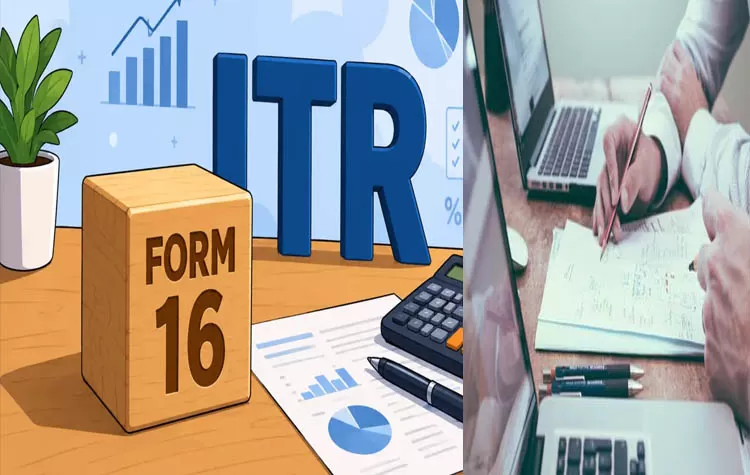
As the Income Tax Return (ITR) filing season for FY 2025-26 (Assessment Year 2026-27) starts picking up pace, a lot of salaried employees across India are getting their tax papers ready. One of the most important items needed for smooth ITR filing is Form 16, which is basically a certificate from the employer that covers salary income and the Tax Deducted at Source (TDS) in one place.
Knowing what Form 16 says and checking it before you file can save you from avoidable errors, lower the odds of tax notices, and usually helps with quicker refund processing too, though nothing is instant.
What is Form 16?
Form 16 is an official TDS certificate issued by an employer to employees where tax is deducted at source from salary. It includes the breakup of salary paid during the financial year plus the tax that was deposited with the Income Tax Department for and on behalf of the employee.
For salaried individuals, Form 16 is one of the most useful papers because it brings together income, deductions, exemptions , and tax payment details into a single report type document.
Who Issues Form 16?
Form 16 is shared by the employer after the employer has filed the employee’s TDS statements with the Income Tax Department. As per income tax guidelines, the employer has to hand over Form 16 to eligible employees by June 15 after the financial year ends. So for FY 2025-26, employers are expected to issue Form 16 by June 15, 2026.
Employees can get it from the HR department, payroll team, or via the employee self service portal of the company if they have that facility.
Components of Form 16
Form 16 is split into two parts.
Part A
Part A generally includes:
- Employer’s PAN and TAN details
- Employee’s PAN
- Employment period
- TDS deposited with the government
- Quarterly TDS summary
This part seems to just confirm that the deducted tax has been properly deposited with the Income Tax Department, more or less.
Part B
- Gross salary
- Salary exemptions
- Standard deduction
- Deductions under Sections 80C, 80D and other applicable provisions
- Taxable income
- Total tax liability
So basically, this segment makes it easier for taxpayers to figure out their final tax liability while they are filing returns.
Why Form 16 is Important for ITR Filing
Form 16 may not be mandatory for filing an Income Tax Return, yet it really makes things simpler. It works like a quick ready reference for salary income, tax deductions and the eligible exemptions.
Some key advantages are:
- Faster and more accurate ITR filing
- Easy checking of TDS deductions
- Fewer chances of reporting errors.
- Smoother processing for tax refunds
- Better reconciliation with AIS and Form 26AS records
Tax experts usually suggest that you match the data in Form 16 with your Annual Information Statement (AIS) and Form 26AS, before you actually submit your return.
Important Details to Verify Before Filing Your Return
Before you rely on Form 16 for ITR filing, salaried taxpayers should carefully review:
- Name and PAN details
- Employer information
- Salary income numbers
- Standard deduction claims
- Section 80C, 80D and other deductions
- TDS deducted and deposited
- Tax regime selection (Old vs New Tax Regime)
If anything doesn’t match, you should report it to the employer right away, so correction can happen.
Should You Wait for Form 16 Before Filing ITR?
Most tax professionals recommend waiting until Form 16 is issued, before you file. If you file too early, it can create mismatches between salary income, TDS records, AIS information and Form 26AS details, kind of.
Since employers typically issue Form 16 by mid-June, waiting a few extra days can help ensure that all tax information is correctly reflected in the return.
Tags Cloud