
US-Iran Agreement Signals Shift In Regional Relations And Energy Security
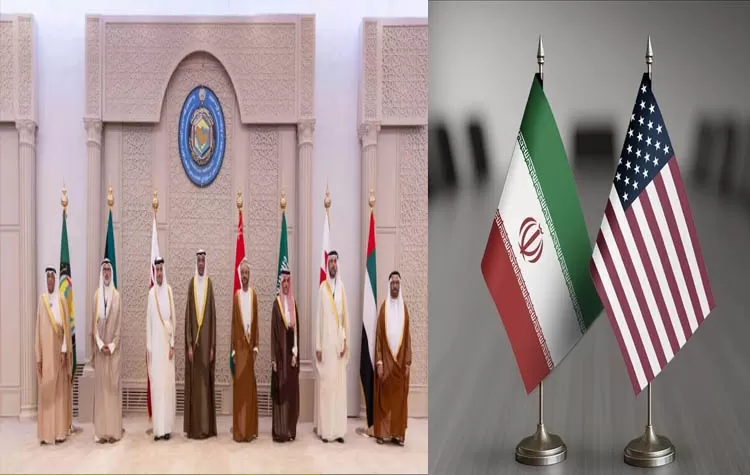
A reported understanding between the United States and Iran could end up affecting regional stability, global energy markets , and diplomatic relationships across West Asia. Based on remarks from both camps, the accord seems to cover things like maritime security, military activity, and trade routes, even if the wording so far still feels a bit thin. The arrangement is supposed to be formally sealed on June 19.
Reported Agreement Between Washington and Tehran
Key Provisions of the Understanding
- US President Donald Trump said the Strait of Hormuz would remain open, and that no tolls would be charged on vessels moving through the waterway. He added that oil deliveries would restart after the agreement gets signed.
- Iranian officials said the United States agreed to stop , permanently, military operations against pro-Iran groups and Lebanon. They also said constraints impacting Iranian ports would be removed immediately.
- Overall, the reported agreement leans heavily on security and maritime access. So far, public statements that have come out have not shown any detailed provisions about Iran’s nuclear program .
Timeline for Formal Signing
Iranian Deputy Foreign Minister Kazem Gharibabadi said the memorandum of understanding is scheduled to be signed on June 19. He mentioned that the last round of negotiations went on for roughly 15 hours .
Iranian officials also said that later talks will mainly focus on how the deal’s terms are carried out in practice.
Iran’s Confirmation and Official Statements
Response from Iranian Institutions
Iran confirmed the agreement after announcements from President Trump and Pakistani Prime Minister Shehbaz Sharif.
The IRIB news agency , which is linked with the Islamic Revolutionary Guard Corps (IRGC), called the whole development a success for Iran and kind of framed it that way. It said Iranian moves helped shape the setting that finally made the agreement happen.
Not long after, Iran's Supreme National Security Council Secretariat formally confirmed the deal and then spelled out how it understands the main terms, more or less.
Conditions Tied to Implementation
Iran stressed that how things get implemented is still the big question. Officials indicated that the next round of talks will be focused on making sure both sides actually do what they said they would do, commitments etc.
That points to the idea that even if a kind of outline has reportedly been reached, the focus now moves toward enforcement, plus verification, not just the signing part.
Strait of Hormuz Set to Reopen
Plans for Resuming Maritime Traffic
President Trump said the Strait of Hormuz would reopen right away once the agreement is signed. He also mentioned plans to start removing sea mines from the zone.
The waterway has reportedly been closed for almost 107 days. If it opens again, commercial shipping and energy exports could move through the region once more.
Importance for Global Oil Markets
The Strait of Hormuz is one of the most essential sea lanes in the world for oil and gas shipments. If anything disrupts the strait, it can shift energy availability and push around global oil prices too.
A return to routine shipping operations could reduce worries about supply interruption and help energy markets feel steadier , like less jittery.
Reactions from US Leaders
Trump's Announcement
Trump described the agreement as an effort toward bringing back maritime access and lowering tensions across the region. He underlined the reopening of the Strait of Hormuz ,and the restart of oil shipments as two big results.
His comments mostly centered on trade, navigation and regional stability , and that wider sense of order.
Vance’s take on the deal
US Vice President JD Vance described the agreement like some kind of development that can reshape West Asia through the coming decades, you know, slowly but surely.
He also said Iran would never obtain nuclear weapons. But then, in the same breath, he added that the administration was still sorting out who exactly would be at the signing ceremony.
Still lots of open questions on regional security
Nuclear question stays a debated point
Even if US officials spoke about it in public, the details released about the agreement do not look like they address Iran’s nuclear program directly, or at least not in a straight way.
So, naturally, doubts remain about how nuclear-related concerns will be handled later on, after the signing, if anything changes.
Some skepticism from US policymakers
Senator Lindsey Graham reacted carefully to the announcement. He said it’s possible Iran and the United States could end up seeing the agreement in different ways.
Graham also sounded unconvinced about whether Iran would completely drop efforts tied to nuclear weapons development.
Bigger geopolitical and economic effects
What it could mean for West Asia
- If it gets carried out the way it’s described, the agreement could help lower tensions between the United States and Iran and also shift political dynamics across West Asia.
- It might also reshape relationships that involve regional governments, armed groups, and international partners who have interests in the area.
Trade and energy supply angle
Reopening a major shipping route could back international trade, and it may make energy supplies move better too.
Energy-importing countries, shipping firms, and financial markets will likely keep watching how implementation goes, closely. The longer-term result will depend on whether both sides actually follow through on the commitments laid out in the agreement.
Tags Cloud