
Venezuela Earthquake Crisis Deepens: Twin Quakes Threaten Economic Recovery, Oil Output And Infrastructure
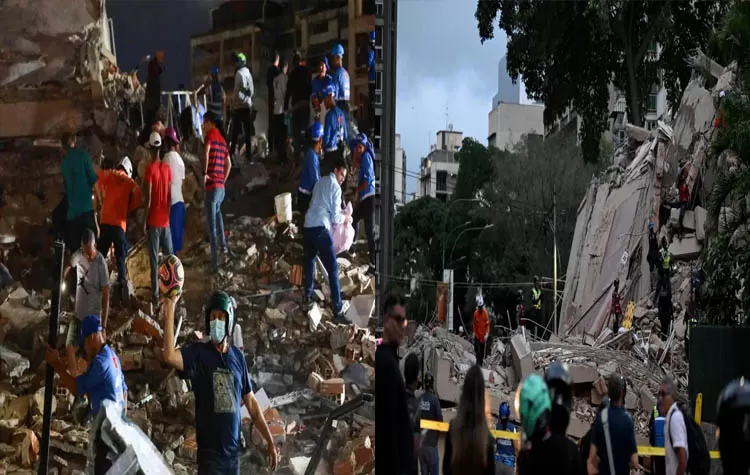
Massive Venezuela Earthquake Jolt Fragile Economy
Venezuela is dealing with a new national problem after two strong earthquakes hit the country northern stretch, and it’s causing worry about a rough economic fall, possible infrastructure damage and more disruption to its oil business that was already hanging by a thread. The tremors back to back have made people think about GDP losses, power outages, airport damage, possible aftershocks, and how all this could hit Venezuela fragile climb.
This seismic event, comes while Venezuela is trying to hold steady its economy, after years of hyperinflation, sanctions, political turbulence and declining oil output. So, the recent Venezuela earthquake reports hint the disaster might drag the country into yet another long run of economic strain.
Twin Earthquakes Strike Northern Venezuela
- Reports say a 7.2 magnitude foreshock showed up first, then just 39 seconds later a stronger 7.5 magnitude earthquake hit near Morón in Yaracuy state, about 160 km west from Caracas. The second shaking is being called the most intense earthquake to hit Venezuela since 1900, which makes it one of the serious natural events the country has faced for decades, or at least that’s what many are saying.
- Those two shocks shook different areas, caused confusion and panic among locals, and it also lifted concerns about how ready the country is, for big scale seismic calamities. Since aftershocks can still happen, the danger to people, homes, roads, transport links and public services is still pretty high.
GDP Loss Fears Grow as Venezuela Faces Economic Shock
The earthquake’s impact is not just buildings that are damaged , and services that get disrupted, it may also drag on the country’s economic recovery , right when the timing was already tricky. Early numbers suggested the disaster would deliver a serious blow to national output . but even with newer projections, the worry stays around a 1% to 5% loss in Venezuela’s GDP. For a country that has already gone through a dramatic economic collapse over the past decade, even that smaller share could still feel like a lot, and it could be devastating.
Economists say earthquake related losses often spill past the immediate, obvious destruction. The longer-term price tag typically involves lower productivity, reduced investor confidence, business shutdowns, job losses, supply chain disruptions , and of course costly reconstruction. In fragile economies like Venezuela, these kinds of shocks can stall growth for years and push more people into poverty, again and again.
Why the Earthquake Could Hurt Venezuela More Than Other Countries
Venezuela entered this disaster from a position of weakness . The nation has already dealt with a long economic crisis powered by US-led sanctions, hyperinflation, oil sector mismanagement, and falling daily living standards. Still, there were recent signs of a careful rebound, then the quake arrives, and now it threatens to roll back those gains.
One of the big reasons this damage could be particularly harsh is that the infrastructure is getting old. A lot of buildings were put up before modern seismic rules became common, so homes, hospitals , offices and public facilities may be more likely to collapse, or suffer structural failure during a strong quake. And on top of that, weak insurance coverage plus limited government finances makes recovery that much harder.
Infrastructure Damage Raises Alarm Across Venezuela
The twin earthquakes have reportedly damaged key infrastructure , adding to concerns over the country’s ability respond effectively . Power failures were reported in multiple states, while internet and telecommunications networks were disrupted after the tremors hit critical infrastructure . These outages could slow emergency response , complicate rescue operations and increase pressure on already strained public services , in practice.
One of the most visible disruptions came at Simón Bolívar International Airport, which reportedly suffered damage , leading to the suspension of flights. Airport disruption in a national emergency can affect rescue logistics , the movement of relief supplies and overall connectivity when rapid response is essential, really.
Oil Output at Risk Despite Limited Direct Damage
Venezuela’s oil industry remains the backbone of the economy, so any threat to production is being watched closely. Early indications suggest the worst of the physical damage may not have hit the country’s major oil facilities directly . Still, that does not mean the sector is safe, not at all.
Extended power outages could still affect crude production, transportation and refining operations if electricity isn’t restored quickly. Even without direct structural destruction, disruptions to fuel logistics , workforce movement, communications and port operations can reduce output and delay exports. For a country that depends heavily on oil revenue, any prolonged interruption would deepen the economic pain , already caused by the earthquake.
Recovery Efforts Face Funding and Governance Challenges
- The biggest challenge now is going to be rebuilding, if that makes sense. Venezuela’s government is already wrestling with high inflation, limited public resources, and a population dealing with low wages and those weak social services. The price for repairing homes, roads, public buildings, telecom systems, and medical facilities could put a huge load on state finances, almost too much.
- There’s also a real worry that the healthcare system might start to buckle if injuries rise, or if damaged hospitals just can not function the way they should. In a nation where public services were already worn down after years of crisis, one major natural disaster can, pretty quickly, turn into a full humanitarian emergency.
Aftershock Threat Keeps Venezuela on Edge
The danger is not really finished. Experts say the region could see more seismic activity in the coming days. A strong aftershock might make the structural damage worse, put rescue crews in danger, and fuel extra panic among communities that are already shaken from the first quakes.
Repeated earthquakes can stack up in a cumulative way, slowly weakening buildings, transport corridors and key services, even if each individual tremor is less destructive than the main event. That kind of ongoing uncertainty makes recovery harder, and it also increases the odds of longer term economic damage.
What the Venezuela Earthquake Means for the Country’s Future
- The twin earthquakes hit Venezuela at one of the worst possible times. The country was trying to regain economic steadiness, rebuild investor trust, and get oil production moving again after years of collapse. Instead, it’s now facing higher reconstruction costs, softer GDP growth, losses to infrastructure, energy disruption, and renewed strain on public finances.
- If the damage proves extensive, the disaster could become a turning point in Venezuela’s already difficult recovery story. Beyond the immediate tragedy, the earthquake may reshape the country’s economic outlook, oil sector performance and humanitarian needs for months or even years to come.
Tags Cloud