
US-Iran Ceasefire Under Fire: Washington And Tehran Trade Fresh Accusations Over Truce Violation
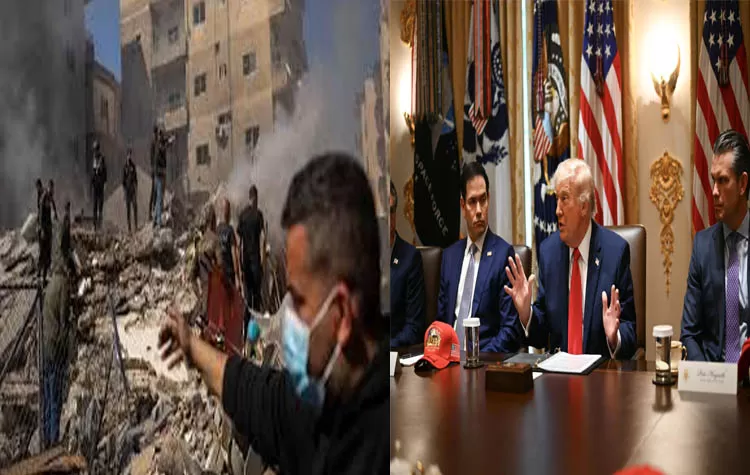
A fragile ceasefire between the United States and Iran has been coming under renewed pressure, after both nations accused each other of violating the agreement. Lately, the situation is looking worse because each side keeps putting forward their own versions of what happened, and that is making diplomatic efforts feel… kind of stuck, or at least unusually uncertain. Regional stability is now getting a lot more attention, and there’s a real worry that this temporary quiet could unravel if tensions keep rising.
Fresh ceasefire dispute sparks diplomatic tensions
Just days after both countries agreed to suspend hostilities, the ceasefire itself has turned into the big point of dispute. Washington says Iran took actions that broke the terms of the truce, but Tehran counters that it was the United States who violated the agreement first. In the meantime, officials from both governments are defending their positions, so the international community is left with two sharply different accounts, not exactly aligned.
United States points finger at Iran
US officials say Iran’s recent military activities crossed the lines set by the ceasefire agreement. From their perspective, these moves threatened regional security and helped justify what the United States did afterward. American authorities also say any military steps taken by the US were defensive, and aimed at maintaining stability while safeguarding allied interests in the region.
Iran rejects US allegations
- Iran has rejected the accusations outright. In Tehran, officials claim that American military operations drove the latest escalation, and they also argue that the United States acted in a way that was outside the agreed terms.
- Iranian leaders say their actions were done because of what they call ongoing pressure and military provocations coming from Washington. At the same time, there’s the other side’s view, and people are kind of stuck watching it all, like… closely.
Conflicting Narratives and honestly not much clarity
Even with all the talk, independent ways to verify what really happened are still hard to get. So it gets tricky to figure out, exactly which side broke the ceasefire first. And because the evidence doesn’t really line up in a clear way, diplomacy has been complicated, while governments everywhere keep looking at updates that could seriously shape regional calm and also international security.
Middle East Stability faces another critical test
This newest confrontation is happening at a pretty sensitive moment for the Middle East. Existing geopolitical pressure keeps hitting security, energy pricing, and even global diplomacy in general. Analysts also caution that small scale clashes, even limited military exchanges between the United States and Iran, might set off broader aftershocks. Those ripple effects could pull in neighboring countries and affect strategic shipping routes too.
Diplomatic Channels Still Open Despite Rising Tensions
Still, the fresh accusations have not fully ended engagement. International observers keep asking both sides to show restraint, and to go back to negotiations before things worsen again. Global powers are expected to follow upcoming discussions really closely, because they’re hoping dialogue can stop another round of military confrontation from forming.
Global impact of the US-Iran standoff
The ongoing dispute extends beyond bilateral relations. Prolonged instability between Washington and Tehran has the potential to affect global oil supplies, international shipping routes, financial markets, and broader geopolitical alliances.
Businesses, investors, and governments worldwide remain alert as every new development carries significant economic and strategic implications.
Tags Cloud