
Finance Ministry Denies Agreement On 5-Day Bank Week Ahead Of Bank Strike
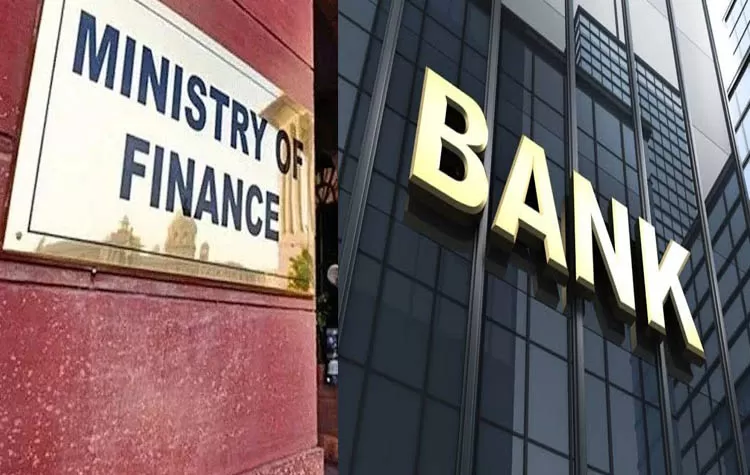
The Finance Ministry has denied the reports that the government has decided to go for a five-day working week for banks. The clarification came as bank employee unions prepared to launch a three-day strike from September 28, 2026.
The proposed five-day bank working week is amongst the several demands of the employee unions, which seek Monday to Friday working system with Saturday and Sunday as weekly holidays.
Finance Ministry Rejects Five-Day Banking Commitment
- As per the government sources, the Finance Ministry has denied committing to a five-day workweek for banks. The ministry has said that the proposed five-day workweek is not part of the deal with the banker groups.
- The United Forum of Bank Unions (UFBU) has maintained that the five-day banking proposal was part of the 12th Bipartite Settlement and 9 th Joint note signed by the IBAS and the employees on 8 th March 2024.
- The proposal for a five-day banking week suggests one hour forty-minute working hours increase on banking hours on Monday to Friday to offset one day working holiday for the staff. The proposal still awaits the government’s approval.
Bank Unions Prepare for Three-Day Strike
The bank unions have planned to resume their three-day strike from September 28 to 30, 2026, which falls on a Saturday to Monday. The five-day banking week remains one of the critical issues that the unions want to discuss with the government.
The unions involved in the proposed three-day strike include the Associated Insurance Bank Employees Association, AIBEA, AIBOC, National Confederation of Bank Employees, NCBE, AIBOA, Banking Employees Federation of India, BEFI, Indian National Bank Employees Federation, INBEF, and Indian National Bank Officers Confederation, INBOC.
The banking unions represent the employees in all major public and private commercial banks, including the State Bank of India and the foreign banks.
The strike’s timing is critical as it overlaps with the half-yearly closing of the banks. Customers will be forced to reschedule their payments or clear them in advance to avoid inconvenience.
Other Demands Raised by the Bank Employees
Besides the five-day working week, the bank employees have several other demands, including revision of pension-related benefits with a uniform Dearness Allowance formula.
The employees unions are also demanding the option for the National Pension System Scheme members to revert to the old pension scheme for those who joined before 2004, and a revision of the pension rules, including a uniform Dearness Allowance formula for the pensioners.
The employees unions also oppose the Performance Linked Incentive payment (PLI) to the selected senior-most officers, which the government has kept on hold for this fiscal year.
Government Takes Cautious Measures to Ensure Smooth Banking Operations
The government has taken several steps to ensure that the proposed strike by the banking union does not disrupt the smooth flow of the banking operations. The Union Finance Ministry has advised the PSB and the regional rural banks to keep their doors open on September 27, 2026, the day before the planned strike.
Further, the Reserve Bank of India has permitted the Sunday functioning of the bank branches, offices, ATMs-linked branches, and the currency chests.
The Finance Ministry has also advised the government departments to make advance payments of salaries, wages, and pensions to the employees to avoid disruptions in the payments caused due to the bank strike.
What Happens Next to the Five-Day Bank Week?
For now, the five-day working week proposal for the banks awaits the government’s final decision. The bank unions believe that the five-day banking proposal was approved by the IBA and the employees representatives, while the government has denied the proposals.
With the three-day strike planned for September 28-30, 2026, by the bank unions, the dispute over the working hours, employees’ demands, and government’s stand on the five-day workweek remains unresolved.
The customers with crucial payments due in the last week of September 2026 should consider clearing their dues in advance to avoid disruptions caused by the strikes.
Tags Cloud