
Proposed GST Changes Likely To Benefit Businesses, Boost Liquidity And Simplify Compliance
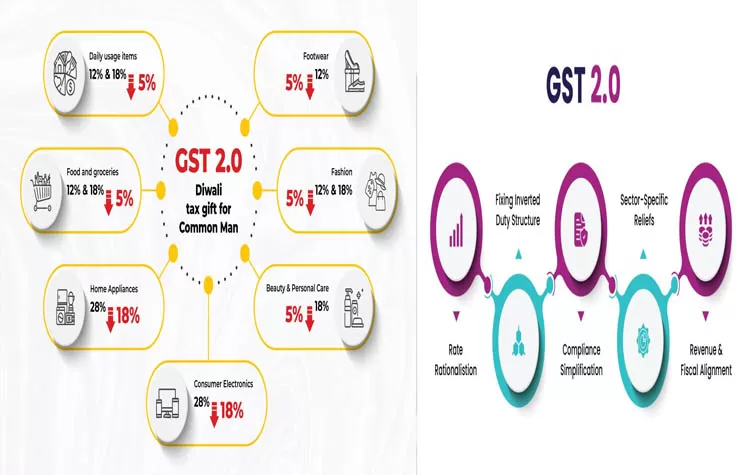
Proposed changes to India’s Goods and Services Tax (GST) are set to bring welcome relief to businesses, easing cash flow, streamlining processes and reducing compliance challenges. Tax experts have applauded the anticipated changes, saying that they will help ease working capital challenges for businesses.
The upcoming changes to the tax framework are likely to centre on process and compliance improvements rather than major changes to the rates structure. The GST Council is set to unveil measures concerning registration, input tax credit, refund, dispute resolution and enforcement procedures among others.
Lower Working Capital for Businesses
One of the most anticipated benefits of the proposed changes to GST is the potential reduction in working capital for businesses. Faster refund processes and streamlined input tax credit processes are expected to free up some cash for businesses.
The improved working capital regime will come in handy for businesses, especially smaller organisations, to fund their inventories, pay wages and finance other operational costs. Tax experts believe that the reduction in working capital for businesses will ultimately translate into lower prices for consumers.
GST Compliance Set to Improve
Another key area that will benefit from the proposed changes to the tax regime is GST compliance. Businesses have faced numerous challenges concerning invoice reconciliation, input tax credit claims, registration and dispute resolution.
The compliance regime is set to become significantly easier with the introduction of new measures to automate and simplify several procedures. The proposed changes to the GST law will also see processes such as registration and refunds made easier and faster.
Taxpayers who Are Genuine Will Be Protected
Among the most welcome changes that have been proposed is the protection of genuine taxpayers. In a move that will significantly reduce disputes over invoices between buyers and suppliers, proposals have been made to ensure that buyers are not held responsible for tax liabilities incurred by suppliers.
Input tax credit claims by genuine taxpayers will also be prioritised over and above disputes arising from supplier defaults. The proposed changes to GST will ensure that genuine taxpayers are left out of tax disputes and bear fewer compliance costs.
Criminal Prosecutions Will Reduce
Challenges concerning criminal prosecution in the context of GST are also set to be resolved. According to reports, there is a proposal to limit the scope of criminal prosecution and to limit the powers of tax officials to arrest delinquent taxpayers.
In addition, there will also be restrictions placed on the authority of courts to order the arrest of delinquent taxpayers. Experts believe that the removal of the criminal liability element from GST will reduce the fear of prosecution and help businesses focus on production and other core activities.
Small Businesses and E-commerce Retailers Will Benefit
- The new changes to GST will make it easier for smaller businesses and e-commerce sellers to comply with the tax regime. According to reports, the proposals concern the possibility of designating warehouses as places of business in relation to e-commerce trading activities.
- Sellers on digital platforms such as Amazon and Flipkart are likely to benefit from the new changes as they will be able to expand their customer base. Experts believe that the proposed changes will boost sales and profit for smaller businesses.
- The proposed changes to GST will have a positive impact on India’s economy. Businesses will face fewer compliance costs and, therefore, they will be able to increase their output and expand their business operations.
- Easing the burden of GST is part of broader tax reforms agenda aimed at restructuring the tax regime. The agenda covers broad areas such as enhancing compliance, streamlining the refund process, minimising dispute resolution and reducing criminal prosecutions.
Tags Cloud