
Cyclone Arnab Update: Andhra Pradesh Coast On High Alert, Landfall Expected On October 28
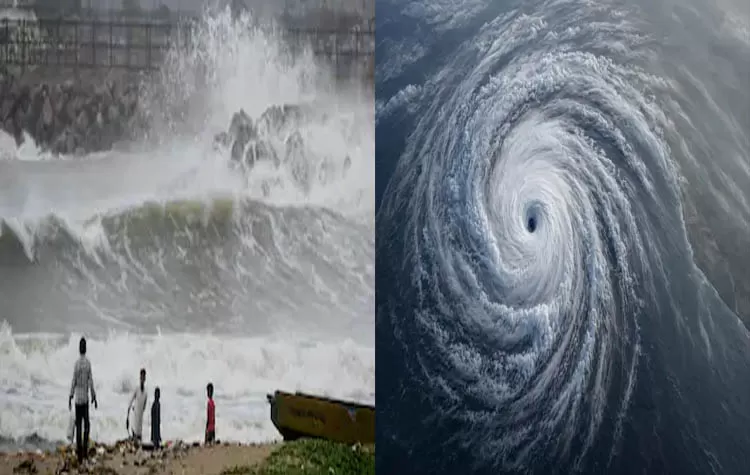
Andhra Pradesh is on high alert as Cyclone Arnab intensifies in the Bay of Bengal. The India Meteorological Department (IMD) has warned of very heavy rains, strong winds and rough seas across several coastal districts.
The cyclone is expected hit the Andhra Pradesh and Yanam coasts between Bapatla and Visakhapatnam by the morning of October 28. The storm is expected to bring sustained wind speeds of between 115-125 kmph with gusts of up to 140 kmph.
Authorities are increasing emergency measures to safeguard residents and reduce damage to homes, infrastructure and vital services.
Cyclone Arnab Intensifies in the Bay of Bengal
- The cyclone has formed from a deep depression in the Bay of Bengal and is now a very severe cyclonic storm having intensified from a cyclonic storm. According to the latest coastal weather bulletin from the IMD.
- It is heading towards the Andhra Pradesh coast and is likely to hit between Bapatla and Visakhapatnam near Yanam.
- Meteorologists are keeping a close eye on the cyclone.
- The storm is also likely to affect weather across neighbouring Odisha, Telangana and central India.
Very Heavy Rains Across Coastal Andhra Pradesh
The IMD has predicted very heavy rainfall across areas of Andhra Pradesh.
Several coastal districts are likely to receive heavy rains, with thunderstorms and strong winds. Heavy rainfall could cause flooding in low lying areas, disruption to transport and damage to power systems.
Those in vulnerable areas have been advised to keep up to date with weather warnings and avoid unnecessary travel.
Those in low lying areas are particularly concerned over the possibility of localised flooding.
Wind Speeds
- Cyclone Arnab is expected to hit the Andhra Pradesh and Yanam coast between Bapatla and Visakhapatnam according to the IMD.
- Maximum sustained wind speeds of 115-125 kmph with gusts of 140 kmph.
- High wind speeds can cause damage to fragile buildings, trees being uprooted, power cuts and disruption to roads and rail.
- Fishermen have been warned not to go out in the affected area. Fishermen boats and vessels have been advised to return to shore.
Government Preparations
- The Central and Andhra Pradesh Government have increased their preparations.
- The National Crisis Management Committee have reviewed their emergency plans. State authorities are working with disaster management bodies to safeguard those in vulnerable areas.
- National Disaster Response Force (NDRF) and State Disaster Response Force (SDRF) teams have been put on high alert or sent to help. District control rooms have been opened.
- Armed force rescue and relief teams have been put on stand by.
- The government have emphasised the need to limit any casualties, damage to property and get vital services back up and running as soon as possible.
Fishermen and Coastal Residents
- Fishermen have been advised not to go out to sea. Those living in coastal or low lying areas have been advised to keep up to date with announcements.
- Secure any loose items outside. Have important medication and drinking water ready. Charge your mobile phone. Know where the nearest cyclone shelter is.
- Those in vulnerable buildings may be asked to evacuate to a safer location. Work with the evacuation teams and avoid walking along flooded roads or going near the shoreline to watch the cyclone.
- Emergency measures are important due to the strong winds, heavy rain and rough sea.
Cyclone Arnab Could Impact Neighbouring States
Cyclone Arnab isn’t expected to only impact Andhra Pradesh. Southern areas of Odisha and Telangana could experience bad weather. Other areas are expected to see rainfall.
The authorities in Odisha have increased their preparations for heavy rainfall in the districts. Emergency teams and local authorities are preparing to deal with any flooding, damage to infrastructure and any disruption caused by the weather.
How much impact there will be depends on how the cyclone moves, how strong it is and how much rainfall there will be once it hits land. All those in the affected states should keep up to date with updates from their local meteorological department and disaster management.
Tags Cloud