
Hindu Traditions: Why Should We Avoid Eating Food In These Five Types Of Households?
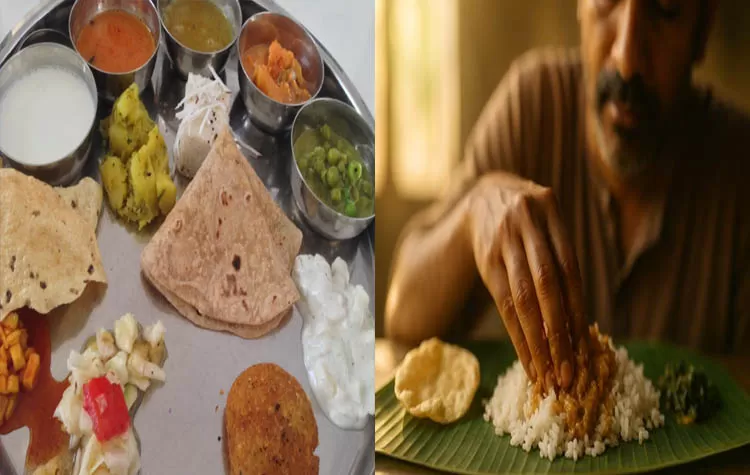
In Hinduism food is seen as not only something to fill our stomachs but something that can also bring purity. As well as bringing positivity, good karma and good spiritual values. Many traditional beliefs and religious teachings believe that you should consider how the food was prepared and from what household.
Ancient traditions believe that food should always be prepared with care, purity and good intentions. And we should consider how we receive our food.
Importance of Food in Hindu Traditions
In Hindu culture food is seen as sacred and often linked to the Goddess Annapurna. In traditional spiritual teachings they talk about how food carries the energy of whoever has made it.
Therefore some traditions suggest that you should consider the personality, actions and intentions of those giving you food.
Why do traditional beliefs suggest caution?
Most of these traditions relate to keeping things pure, disciplined, doing good and keeping your spirit in a good place. However these beliefs can differ depending on the scripture, region and family traditions. They are traditional religious beliefs so shouldn’t be taken as rules that everyone must follow.
Food, Spirituality & Good Intentions
Hindu religious traditions encourage us to have a good respect for food, not to waste it and share it with those in need. Giving your guests food, helping those who are hungry and serving others with kindness are seen as meaningful ways to be generous.
Overall the main message behind these traditions is to keep things clean, practise good values, show respect towards food and build positive relationships.
Tags Cloud