
Critical Security Flaw Discovered In Java: Millions Of Systems Could Face Cyberattack Risks
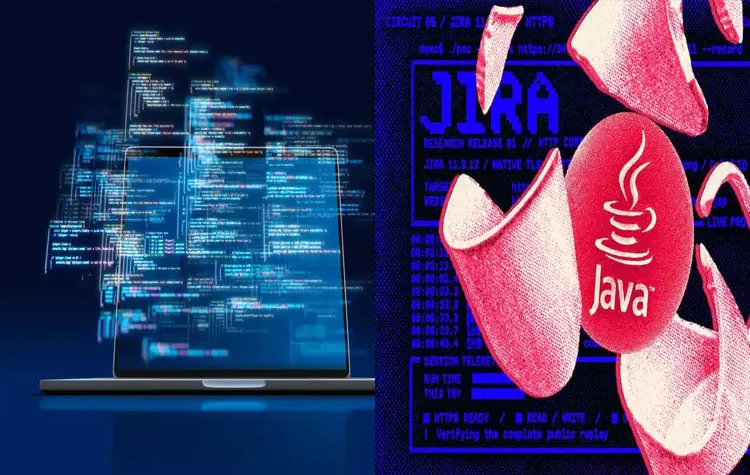
A Security Vulnerability has been discovered within the Java programming language. This vulnerability within OpenJDK means that there may be security issues within enterprise applications, banking systems, government systems and other systems. Within this exploit (Java4Shell, CVE-2026-114938) an attacker could gain access to vulnerable systems and run malicious code without authentication depending on the configuration of the system.
What is Java4Shell?
This Security Vulnerability is present within Java’s Base64 data decoding feature. This feature is used in many places within software, data file transfers and network communications. It has been found that, if data is specifically formatted, it can cause issues with memory corruption in the Java environment.
If exploited, this vulnerability may allow sensitive information to be exposed, cause instability within applications, or allow unauthorised commands to be executed on vulnerable servers. It has been given a high security score of 9.2/10 (CVSS 4.0).
Applications may be at risk
As Java based technology is used extensively in businesses and government systems, this vulnerability is a cause for concern. It has been shown by researchers that several applications may be vulnerable to Remote Code Execution. These include Jenkins, Atlassian Jira, Confluence, Keycloak, JFrog Artifactory and PingFederate.
These applications are used for software development, project management, identity management and in enterprise systems. If exploited, these systems might lead to exposure of sensitive information within businesses, disruption of services, and data security issues.
Security Patch Released by Oracle
Oracle released security patches to fix this vulnerability in Java on the 17 th November 2026 as part of their November security updates. Technology companies and system managers should look to locate vulnerable Java systems and implement the relevant patches as quickly as possible.
This vulnerability affects certain versions of OpenJDK which have compatible x86-64 processors with AVX-512 VBMI support. If you are using Java in a vulnerable environment, you should confirm what version you are running, and look at security announcements from your vendors before applying any updates.
High Alert for Companies and Government
It is strongly advised that companies run a risk assessment on their Java systems. Businesses should look at servers, applications, cloud systems and third party software to determine whether they may be vulnerable.
It is also recommended that businesses monitor activity within systems, look at security logs, limit unecessary access to networks, and implement short-term defences if patches cannot be implemented immediately.
Increasing Concerns in Cyber Security
With more concerns in relation to critical vulnerabilities in software, and complex cyber attacks, security experts are beginning to make greater use of AI tools in order to find vulnerabilities within popular software. As a result, new vulnerabilities may be found more quickly, and more thorough security testing can be carried out.
As Java is used in enterprise applications, banking, telecoms and government systems, regular updates to software, continual monitoring of cyber security within systems and improved data protection are vital.
To avoid potential cyber attacks and unauthorised access, vulnerable Java systems should be updated as soon as possible.
Tags Cloud