
What The US Waiver On Russian Oil Means For India And Fuel Prices
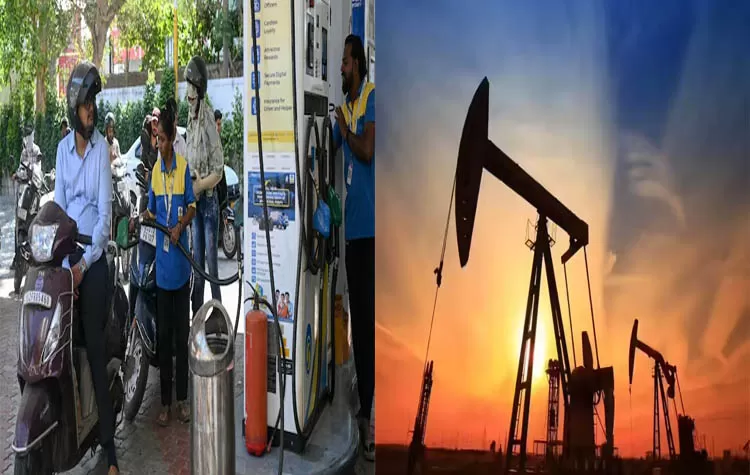
India has got a sort of temporary easing in the global energy market, after the United States did this thing where it extended sanctions waivers tied to Russian oil imports. It arrives right when, the Middle East tensions are adding this extra uncertainty, about crude supply, and also pushing international prices higher, like it’s almost automatic.
US Treasury Secretary Scott Bessent said the waiver is going to stay in place for 30 more days, and it will run through June 17. In practical terms, it lets countries that rely on Russian crude keep importing, without facing an immediate stop or shock. The idea is to keep global oil markets steadier, during a stretch where geopolitical risk is getting sharper.
For India, this matters a lot, because India pulls in a big portion of its crude oil needs from overseas. Over the last few years, Russian oil has turned into a major supplier for India, largely because the pricing has been competitive and availability stayed comparatively steady.
Why the US Extended the Waiver
The United States continued the exemption, mainly due to worries about global energy supplies. The ongoing situation in the Middle East has stirred fears around disruptions to oil production, and even shipping or transport routes. Usually when that happens, crude prices across international markets tend to rise.
So by renewing the waiver, the US is trying to avoid sudden shortages and also lower the pressure on countries that depend heavily on imported energy. Officials also think this can help keep crude markets balanced, at least in the short run.
The earlier exemption period ended on Saturday, which had left importers in a bit of a limbo, especially with no clear path for what would happen next. But this new announcement has now given temporary clarity to oil importing nations, including India.
India’s Position on Russian Oil Imports
India has long, kept saying that energy security is its first concern. The Ministry of Petroleum, has already made it clear that India still purchases crude oil from Russia—based on what the country actually needs, and commercial considerations as well.
Government officials also explain that India’s main aim is to lock in enough fuel supply for domestic use. When imports stay steady, costs can be managed better too, for industries, for transport operators, and for everyday consumers.
Russian crude has also, in a very practical way, helped India deal with global oil prices that were steadily climbing. Because some imports come at a lower price, refiners get a bit of breathing room and pressure on fuel spending can be reduced.
Impact on Fuel Prices and the Economy
This waiver extension, may help prevent sudden jumps in crude oil prices in the short run. India relies on steady imports, because if crude gets more expensive, it can ripple across many areas of the economy.
If global oil prices surge fast, transportation charges, manufacturing costs, and even inflation may rise. A reliable stream of affordable crude oil reduces these threats and supports broader economic momentum.
There’s also the angle that the decision could boost confidence in financial markets, since investors keep a close watch on global energy news and geopolitical pressure points.
Stock Markets Respond Positively
Indian stock markets started higher after the announcement and the overall positive mood in markets. By 9:48 AM on Tuesday, the Sensex had added 288 points, to stand at 75,603. The Nifty moved up 79 points and was trading around 23,729.
Market analysts think that stable energy availability, along with more controlled crude prices, sends a positive signal to investors. Areas tied to energy, transportation, and manufacturing usually respond quite strongly when developments in global oil markets show up.
Meanwhile, the Indian Rupee was trading at 96 paise against the US Dollar during early market hours.
What Could Happen Next
Although the waiver provides short-term relief, global oil markets remain sensitive to geopolitical developments. Any escalation in the Middle East could again affect supply chains and push prices higher.
For now, the extension gives countries like India more time to manage imports and maintain stable energy supplies. It also reduces immediate concerns about disruptions in the crude oil market.
Energy experts will continue monitoring both US policy decisions and developments in the Middle East, as these factors are likely to influence oil prices and global economic conditions in the coming weeks.
Tags Cloud