
Dario Amodei Warns AI Could Reshape White-Collar Employment
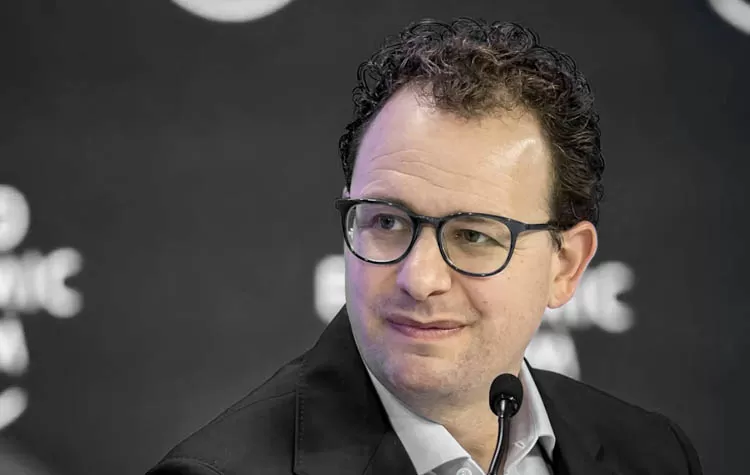
Artificial intelligence is messing with office work, at this pretty rapid pace. Dario Amodei, the Anthropic CEO, says that a bunch of companies might soon lean on AI systems for tasks that, before, were mostly handled by entry-level employees. In a recent interview , Amodei warned AI could shuffle around white-collar employment and push serious economic pressure across several industries
Those comments from the Anthropic CEO have basically kicked up more public talk about automation, unemployment, and what happens to office jobs in the long run. As AI tools get more capable, businesses are starting to reconsider how they hire, how they structure workplaces, and what they actually need from the workforce over time
Why the job worries keep growing
Dario Amodei explained that AI technology has jumped forward fast , in only a few years. The Anthropic CEO said modern AI systems can now take on assignments that used to require trained office workers. Like producing reports , summarizing long documents, sorting information, and helping with financial analysis—stuff that used to take teams of people
And he also pointed out that earlier AI was kind of confined, working on a smaller range. Today, many systems can handle information and answer with more accuracy, and also with a speed that feels almost unfair. Because of all that, Dario Amodei warns AI could reshape white-collar employment in ways that governments and businesses are not fully ready for, at least not yet
Also, it’s not just about tech companies. The Anthropic CEO thinks AI will land in a wider variety of industries , especially ones that depend on administrative and analytical labor, the kind that quietly runs in the background
Industries most likely to get hit first
This warning from Dario Amodei mainly points to entry-level white-collar roles. The Anthropic CEO specifically named finance, consulting, and technology, saying these areas may see major shifts sooner than others.
Many junior workers in these sectors end up doing repetitive office chores. AI systems can now knock out a lot of that kind of work in less time and at lower cost, and it kind of feels like it happens faster than people once thought. Take, for instance, these common duties that show up everywhere:
- Financial reporting
- Data organization
- Market research
- Presentation drafting
- Document review
Since AI tools can already do many of these responsibilities, Dario Amodei warns that AI could reshape white-collar employment faster than many experts had expected before.
The Anthropic CEO also said something like, companies might slow hiring for younger workers if automation gets more efficient. If that happens, it could shrink openings for recent graduates stepping into the workforce.
How AI Is Changing Everyday Office Work
AI tools are steadily moving into normal business routines. Dario Amodei says companies are using AI more and more, mainly to increase productivity and cut down on the back-and-forth repetitive labor.
He pointed to examples like document summarization, financial analysis, and idea generation—work areas where AI can now do useful things effectively. In lots of offices, employees already depend on AI systems to save time and smooth out day-to-day workflow.
And as more companies adopt these tools, Dario Amodei warns again that AI could reshape white-collar employment, not just by wiping out jobs immediately, but by changing what human workers actually do.
In some situations, people may end up supervising AI systems, double-checking results, and tackling the harder calls that still need human judgment.
Economic Risks Linked to AI Expansion
The economic worries Dario Amodei raised aren’t just about one workplace, or one organization. The Anthropic CEO believes wide-scale automation could shift hiring patterns, affect wages, and also influence career development opportunities over time.
If companies cut back on entry-level hiring, a lot of younger professionals might have trouble, getting that first real experience. And it’s kind of a domino thing, because leadership roles usually start as junior work, so fewer openings could quietly mess with long-term workforce building.
Dario Amodei said that AI could reshape white-collar employment within the next one to five years. The Anthropic CEO also hinted that society might be underestimating how fast these shifts come in.
Some economists are thinking that rapid automation may make economic inequality worse. People with stronger technical fluency could do better, while others may just run into less job availability, overall.
The Ethical Debate Around AI and Employment
Those comments from Dario Amodei, have also pushed a bigger discussion about ethics and corporate duty. Critics say AI firms should weigh the societal consequences of automation, alongside business expansion.
The Anthropic CEO mentioned that a lot of technology leaders already see the danger signs, tied to AI-enabled job losses. Still, public understanding stays pretty low in many nations, so the conversation never quite reaches everyone.
So, Dario Amodei warns AI could reshape white-collar employment in ways that might demand government involvement and more protective workforce measures.
Some analysts argue that AI will eventually generate new roles, like earlier technological waves did. Others counter that the move could be too rapid for workers to reskill, or even adjust.
Why AI Development Is Unlikely to Slow Down
Still, Dario Amodei basically said that stopping AI progress is not practical. The Anthropic CEO explained global competition is a big driver behind continued AI expansion, so slowing it down would be, difficult in the real world.
Competition between the United States and China is adding more pressure on companies to keep moving forward with AI systems, and in a sense, it feels like everyone has to just not fall behind. Dario Amodei says that if American firms slow down, then Chinese companies could end up with a stronger footing in the global technology market—sort of like the advantage shifts while you blink.
That’s why Dario Amodei also warns AI could reshape white-collar employment, but he’s also pretty clear that governments and businesses probably will not pause their AI investments, even if everyone says it out loud.
How might workers and governments react
The Anthropic CEO pointed workers toward getting better at using AI tools, kinda like treat them as everyday instruments rather than magic. And, according to Dario Amodei, if employees actually understand how these systems work, they might end up with better career paths later.
Workers may need sharper abilities in communication, analysis, problem solving, and AI management, not just “using” AI casually. Even as automation expands, human creativity and the ability to make decisions could still stay useful , and it might matter more than people expect.
On the policy side, Dario Amodei suggested governments may eventually look at special taxes on AI companies. The Anthropic CEO thinks these kinds of measures could curb economic inequality and help workers who get affected by automation.
So, as AI adoption keeps climbing, Dario Amodei warns that AI could reshape white-collar employment across the world, which makes workforce adaptation an urgent topic for businesses , educators , and governments too.
Tags Cloud