
Norwegian Newspaper Faces Criticism Over Caricature Of PM Narendra Modi
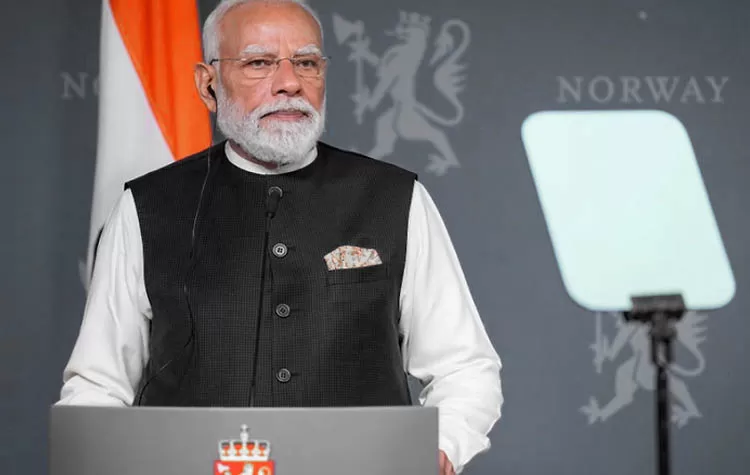
A Norwegian newspaper has, uh, come under criticism after publishing a controversial caricature of PM Narendra Modi during his visit to Oslo. The drawing, published by Aftenposten, quickly jumped around social media and, well, sparked debate about political satire, media responsibility and cultural sensitivity. Not long after, people online started to talk like it was less about “jokes” more about context , you know.
The uproar got even more attention because the publication hit the timeline around the same time as diplomatic meetings involving PM Narendra Modi in Norway. Many internet users said they were uneasy with the way the caricature was framed , and with the message it seemed to carry.
Norwegian Newspaper Published Caricature Before Oslo Visit
The Norwegian newspaper, Aftenposten, reportedly published the caricature shortly before PM Narendra Modi reached Oslo for official engagements. The image appeared next to an article that was, essentially, about India’s foreign policy and Modi’s political leadership.
According to reports, the headline linked to the piece roughly translates to “A Clever, Annoying Man.” After screenshots of the article moved through online spaces, the caricature became the main focus of public discussion.
And the timing made it more visible because international media attention was already locked onto the Norway visit of PM Narendra Modi.
Reactions to the Norwegian Newspaper Article
Many users on social media criticized the Norwegian newspaper for what they said was an insensitive portrayal of PM Narendra Modi. Some claimed the illustration leaned on racial stereotypes, while others questioned the editorial standards used in international political commentary.
A few users also debated whether similar depictions of Western leaders would get the same kind of approval in the newsroom. The criticism then grew into a wider conversation about how non-Western political leaders are represented, overall.
At the same time, some commentators defended the Norwegian Newspaper by saying political cartoons are a classic kind of satire, used to nudge people, and by extension to question public figures and government policies, you know.
Debate on political satire and cultural sensitivity
The whole controversy tied to the Norwegian Newspaper kind of reopened the conversation about where political satire is still acceptable . Newspapers in many countries usually publish caricatures of political leaders, including PM Narendra Modi, as part of editorial notes and “commentary” style messaging .
Supporters of political satire say cartoons are safeguarded forms of expression and critique. Critics, though , feel media organizations should stay away from imagery that can be read as racially charged or culturally disrespectful.
In this case, a lot of the online reactions leaned less toward the article wording and more toward the visual portrayal of PM Narendra Modi . The incident , in a way, showed how tricky it is for media outlets to juggle satire with cultural awareness
PM Narendra Modi’s visit to Norway drew international attention
This controversy surfaced while PM Narendra Modi was taking part in formal engagements in Norway. The trip included talks about diplomatic teamwork, economic ties, and wider international policy points .
Since the caricature ran during the visit, the matter got more attention from the public than it might have otherwise. Social media conversations about the Norwegian Newspaper often drowned out whatever was being discussed about the diplomatic agenda itself.
Even with the online backlash, there was no immediate sign that this dispute had a direct impact on official relations between India and Norway.
Media representation and global reactions
The response to the Norwegian Newspaper also, kind of reflected bigger worries about portrayal in international journalism, you know. Some observers argued that large global media organizations should think about how political imagery can sway audiences across multiple cultures
Others maintained that criticism of political leaders, including PM Narendra Modi, is still a normal thing in democratic media systems. The disagreement, sort of showed how political cartoons can lead to very different readings depending on cultural as well as political perspectives
As the online discussion kept going the controversy stayed wrapped inside a wider conversation about journalism, satire, and public accountability, generally speaking.
Tags Cloud