
Trump–Netanyahu Rift Deepens Over Lebanon Conflict: Growing Differences Raise Global Concerns
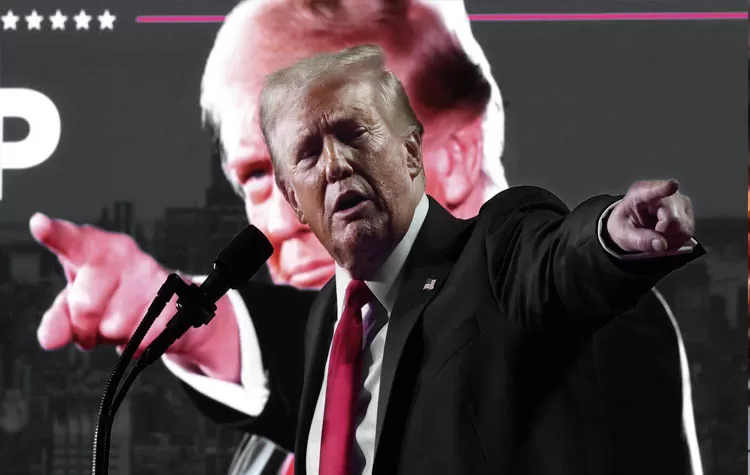
Tensions seem to be building, sort of in the background, between Trump and Netanyahu
- A new diplomatic mess-up or controversy, has popped up in the Middle East, after reports claimed there are growing disagreements between U.S. President Donald Trump and Israeli Prime Minister Benjamin Netanyahu about Israels military operations in Lebanon. Since then, a lot of international eyes have turned on it, and political analysts are watching the direction of U.S.-Israel relations, almost like they expect something to shift soon.
- According to the latest reports, there was a tense conversation between the two leaders while emotions were already running high along the Israel–Lebanon border. The issue, as described, was Israel’s approach against Hezbollah and what it could mean for regional stability overall. It sounds simple on paper, but in practice it’s messy, and people are reading between the lines.
Dispute grows over Lebanon military actions
The friction reportedly became clearer after public statements started to clash. Even if, it was said, efforts were being made to calm things down and prevent a sharper escalation, Israeli officials kept emphasizing that military actions would continue if security threats stayed in place.
Those opposite stances, have made observers wonder whether strategic differences are widening between Washington and Jerusalem. At the same time, analysts point out that this is happening at a delicate moment, because diplomatic initiatives are currently trying to stabilize the region.
Lebanon crisis adds more pressure to Middle East diplomacy
- The fight involving Israel and Hezbollah is already displacing large numbers of civilians, and it has increased worries among global leaders. International diplomats, in particular, fear that any additional escalation could lead to a bigger regional breakdown, one that might pull in multiple countries across the Middle East, not just the immediate border area.
- This situation feels especially sensitive, not just because of what’s happening right now but because it happens alongside wider debates tied to Iran, the regional security setup, and ceasefire talks. If coordination starts slipping between the key allies it could, you know, make the already delicate diplomatic work more complicated.
Global reactions and the strategic ripple effects
Some political experts suggest the reported disagreement underscores how hard it is to keep stability in the region, particularly when outside pressure keeps building. Even if both leaders keep repeating their dedication to national security, it seems like their different angles on military action, and on diplomacy, are generating some friction, quietly, behind the scenes.
People tracking global markets and foreign policy are also locked in, because what unfolds in Lebanon might end up touching energy prices, regional partnerships, and the larger wave of geopolitical negotiations.
What comes next?
In the next few days, the outlook is likely to matter a lot for whether diplomatic engagement can soften the temperature, or whether direct clashes keep going. World leaders are calling for restraint, and they keep stressing the value of conversation and regional cooperation, so the conflict doesn’t expand.
As the Lebanon crisis continues to play out, the changing dynamic between Donald Trump and Benjamin Netanyahu is expected to stay one of the main levers affecting Middle East politics. The international community will be watching closely for hints of renewed collaboration, or instead signs of deeper division between the two men.
Tags Cloud