
Guntur's Quest For A Poster-Free City: Challenges And Opportunities
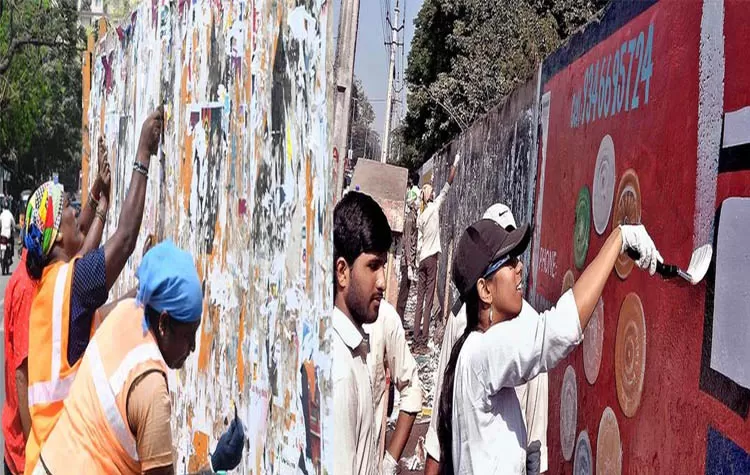
As someone who's spent years working with urban planning and development teams, I'm excited to share my insights on Guntur's innovative drive to make its city poster-free.
The Guntur Municipal Corporation (GMC) has launched a comprehensive campaign to eliminate the scourge of illegal wall posters and banners, which not only mar the city's aesthetic appeal but also create eyesores that can be detrimental to public health. In my experience, such initiatives often face resistance from local businesses and residents who feel that posters serve as a viable advertising tool.
However, what I've found is that there are creative alternatives to traditional poster advertising. For instance, flexible banners that display business details can be hung from streetlights or placed on hoardings, minimizing the visual impact on the city's walls. By encouraging printers to carry their details on these flex banners, the GMC is sending a clear message that they value responsible business practices.
But here's the thing: making a poster-free city a reality requires more than just enforcement and penalties. It demands active public participation, which is exactly what the GMC is banking on. I've seen it work in other cities – when residents and businesses work together to protect urban spaces, the results are nothing short of remarkable.
So, how will the GMC ensure that its drive is a success? According to Municipal Commissioner K. Mayur Ashok, night patrols will be set up to catch violators, and heavy fines as well as criminal cases will be filed against those defacing public spaces. By making an example out of repeat offenders, the corporation aims to create a deterrent effect and encourage compliance.
Of course, there will be challenges along the way. What I've found is that some businesses may resist the change, especially if they've traditionally relied on poster advertising. Others may argue that the city's strict regulations will stifle artistic expression. By the way, I've seen cities successfully implement art programs that incorporate street art and public murals, which not only add to the city's aesthetic appeal but also become community landmarks.
So, what can the GMC do to address these concerns? One approach could be to engage local artists and business owners in the planning and implementation process, ensuring that their needs and concerns are heard. By doing so, the GMC can build a sense of ownership and responsibility among stakeholders, making it more likely that the poster-free initiative will succeed.
But here's the question: what does a poster-free city mean for urban spaces? Will it become a sterile, commercialized environment devoid of artistic expression, or will it be a vibrant, creative hub that celebrates the city's unique character?
The key insight here is that a poster-free city is not just about removing eye-sores; it's about creating a city that values public spaces, promotes community engagement, and supports responsible business practices. By making this vision a reality, the Guntur Municipal Corporation is not only improving the city's aesthetic appeal but also setting a precedent for sustainable urban development.
Challenges and Opportunities: A Q&A
Q: How will the GMC handle resistance from local businesses and residents?
A: The GMC can engage local stakeholders in the planning and implementation process to build a sense of ownership and responsibility among them, addressing their concerns and needs in a collaborative manner.
Q: What's the potential impact on local artists and creatives?
A: The GMC can explore alternative forms of artistic expression, such as street art and public murals, which can become community landmarks and add to the city's aesthetic appeal.
Q: What's the role of public participation in making the poster-free city initiative a success?
A: Public participation is crucial in making the initiative a success. The GMC can engage residents and businesses in the planning and implementation process to build a sense of ownership and responsibility among them, ensuring that the city's urban spaces reflect the community's values and character.
Q: What's the potential benefit of a poster-free city for urban development?
A: A poster-free city can become a vibrant, creative hub that celebrates the city's unique character and promotes community engagement, supporting responsible business practices and creating a sustainable urban environment.
Frequently Asked Questions
How will the GMC handle resistance from local businesses and residents?
The GMC can engage local stakeholders in the planning and implementation process to build a sense of ownership and responsibility among them, addressing their concerns and needs in a collaborative manner.
What's the potential impact on local artists and creatives?
The GMC can explore alternative forms of artistic expression, such as street art and public murals, which can become community landmarks and add to the city's aesthetic appeal.
What's the role of public participation in making the poster-free city initiative a success?
Public participation is crucial in making the initiative a success. The GMC can engage residents and businesses in the planning and implementation process to build a sense of ownership and responsibility among them, ensuring that the city's urban spaces reflect the community's values and character.
What's the potential benefit of a poster-free city for urban development?
A poster-free city can become a vibrant, creative hub that celebrates the city's unique character and promotes community engagement, supporting responsible business practices and creating a sustainable urban environment.
Tags Cloud