
RBI Repo Rate Hike: What It Means For Loans, EMIs And The Indian Economy
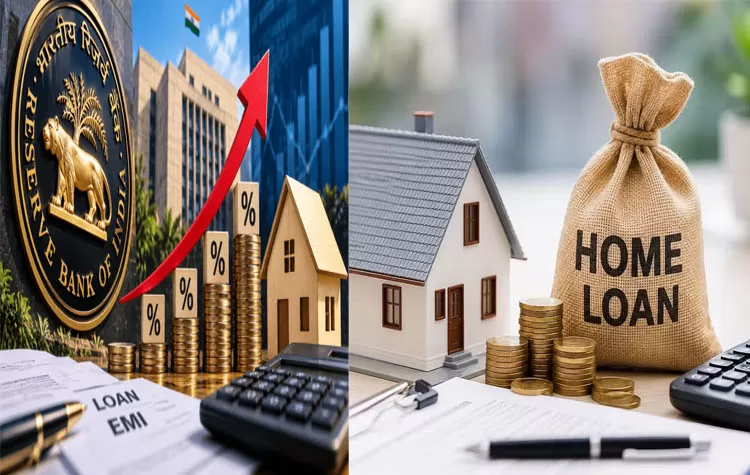
The Reserve Bank of India has increased the repo rate by 25 basis points to 6.50 percent in an effort to balance inflation and economic growth. The RBI Monetary Policy Committee (MPC) decided the rate increase following a review of the inflation outlook and economic growth prospects.
As a result of the MPC decision, the interest rate at which the central bank provides short-term liquidity to commercial banks has risen. The impact of the repo rate rise may be visible on your home loan, personal loan, and business loan interest rates as well as your EMI (Equated Monthly Installment).
Why Did the RBI Increase Repo Rate by 25 BPS?
- The main reason for the recent increase in the repo rate by the RBI was inflation. Even though inflation had come down, the central bank is concerned about persistently high core inflation and believes that monetary policy must be tightened to ensure inflation does not rise above the 4% target.
- The recent 25 bps increase in the repo rate is in line with the tightening cycle initiated by the central bank. As per the RBI, the cumulative increase in the policy repo rate since May 2022 was 250 bps, up from the initial 4%.
- The current repo rate is 6.5%, and the SDF (Standing Deposit Facility) rate is 6.25%. The MSF (Marginal Standing Facility) rate and Bank rate are 6.75%.
- The central bank’s MPC believes in maintaining an accommodative stance to support economic growth while ensuring inflation remains contained. The recent policy statement suggests that the central bank will continue to monitor the situation closely and take necessary measures to ensure inflation remains in check without hurting economic growth.
Repo Rate Increase Impact on Home Loan and EMI
One of the primary impacts of the MPC decision that concerns every borrower is how will the repo rate increase affect my home loan and EMI. The increase in repo rate by the RBI impacts the lending rates of all banks and financial institutions. Depending on the bank’s policy, the rise in lending rates will have an impact on floating rate home loan EMIs. Existing floating rate home loan borrowers should stay updated about their applicable interest rate, outstanding balance, and number of years remaining for loan maturity.
For fixed rate home loans, however, the impact of the repo rate rise will be minimal or non-existent since the lending rate will remain the same throughout the loan tenure.
Repo Rate Increase and Impact on Personal Loans and Business Loans
Besides the home loan, the RBI rate rise may also impact your personal loans and business loans. An increase in the repo rate usually leads to a rise in the interest rates charged on various types of loans and advances.
Businesses may find it difficult to repay their outstanding business loans, and such a situation may discourage them from taking new loans to finance their working capital needs. As far as personal loans and vehicle loans are concerned, an increase in interest rates will increase the cost of borrowing and impact the decision of consumers to make expensive purchases.
The impact of the rate hike on your business loan depends on the kind of loan you have, the interest rate structure (fixed, floating, reducing or non-reducing), and the speed at which the banks pass on the rate hike impact to their customers.
RBI’s Balancing Act of Inflation and Economic Growth
The central bank is in a dilemma between fighting inflation and supporting economic growth. The RBI believes that the economic activity has been strong and that consumer spending and investment will continue to contribute to GDP growth in the near term. The same cannot be said about inflation.
Inflation, as mentioned earlier, continues to be a concern for the central bank, and the MPC decided to take measures to keep inflation in check without impacting the overall economic growth of the country adversely.
What Should Borrowers Do Next?
Borrowers should not decide their financial needs only on the basis of the current repo rate. They should compare their current loan interest rate, outstanding loan balance, and EMI with other similar banks and determine if a partial prepayment or switch of lender is a good option to lower their interest outlay.
Similarly, homebuyers should compare the interest rate, processing fee, and other charges of different banks and determine which lender offers a beneficial reset option. Also, home loan borrowers should discuss with their bank the implications of the current rate change on their home loan tenure or EMI.
Tags Cloud