
US Expands Social Media Vetting For More Visa Categories
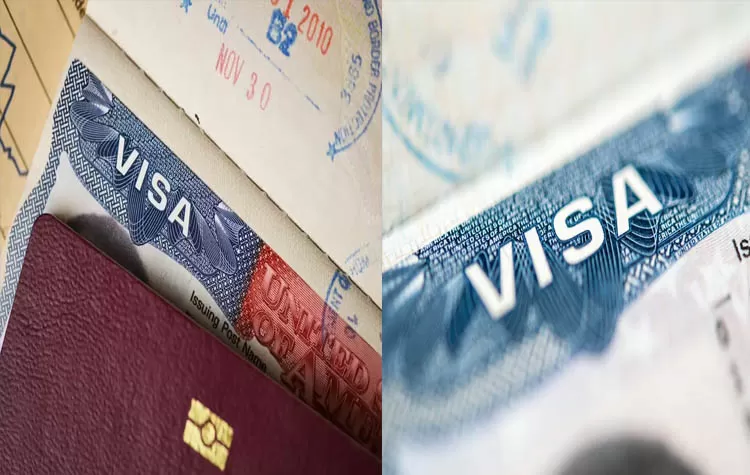
- The United States has announced new visa regulations. The United States government has increased its visa examination procedures to their current level. Under Donald Trump's presidency the United States government has developed new immigration rules that increase border security.
- The US Department of State confirmed that social media vetting will now apply to more visa categories. The new regulations will become effective on March 30.
Social Vetting Process For New Visa Categories
The updated policy now includes several visa types. Authorities will monitor social media usage by applicants who belong to these specific categories:
A-3 and G-5 (domestic workers) C-3 (assistants of foreign officials) H-3 and H-4 (training and dependents) K visas (fiancé and spouse visas) Q visas (cultural exchange programs) R visas (religious workers) S visas (informants and witnesses) T visas (human trafficking victims) U visas (crime victims)
The process first became active for:
- H-1B visas F and M (student visas) J visas (exchange programs)
- Since last December, authorities have been reviewing online activity for these categories more strictly.
What Social Media Vetting Means
Social media vetting involves examining an applicant's online presence through different platforms. Officials examine content shared on platforms to assess potential risks.
The process includes these steps:
- The system verifies all posts and comments which users have created and what they have shared. The system examines all public online activities which users have displayed. The system recognizes any material which could potentially create security threats.
- The visa approval process requires this evaluation to reach its conclusion.
Changes Required from Applicants
- Applicants must change their social media account configurations. The users must make their private accounts open to public viewing in most situations.
- The process enables officials to obtain information which they can verify as genuine.
- Purpose of the Policy The policy exists to protect citizens.
Tags Cloud