
Ceasefire Between The U.S. And Iran And Ongoing Tensions
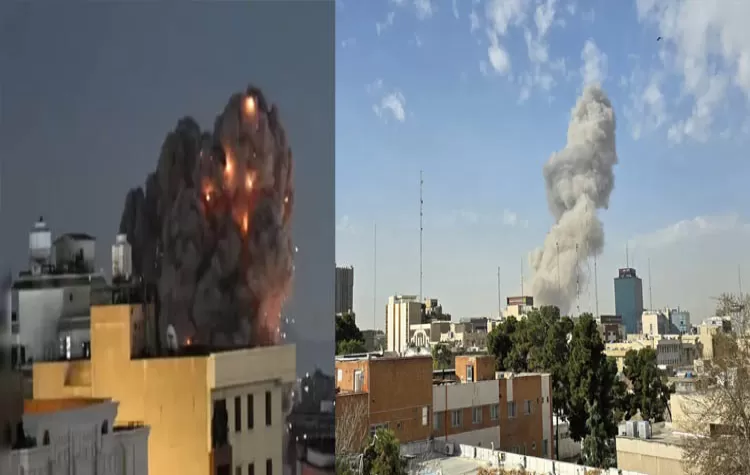
- The United States and Iran have established a two-week ceasefire agreement. After this development, Iran’s Supreme Leader, Mojtaba Khamenei, issued a public statement. He said the ceasefire does not mean the war has ended.
- State media in Iran broadcast his message. He said the country remains alert and prepared. He warned that any hostile action will receive a strong response. All military units received orders to halt their firing activities according to his announcement.
Details of the Ceasefire Agreement
U.S. President Donald Trump announced the ceasefire agreement. He said the proposal came from Pakistan’s Prime Minister Shehbaz Sharif. Trump reported that Iran would maintain the Strait of Hormuz open during the ceasefire period. The strait will remain attack-free during the next two weeks.
Trump expressed hope that this temporary pause can support long-term peace. He said the goal is to move toward a permanent agreement and reduce tensions in West Asia.
Iran presented a 10-point proposal during discussions. The main points of the proposal were:
- The parties will maintain control over the Strait of Hormuz
- All major U.S. sanctions will be eliminated
- The parties will receive assurance that no external forces will invade their territory
Trump stated that these points received a positive response. Iran then formally agreed to the ceasefire.
Call for Direct Talks in Islamabad
- Pakistan requested direct negotiations between the U.S. and Iran after the ceasefire announcement. Prime Minister Shehbaz Sharif invited both countries to send delegations to Islamabad on the 10th of the month.
- The White House confirmed that discussions about direct talks are in progress. The U.S. President will make the final decision according to the statement.
Tags Cloud