
Hanta Virus In India: Current Risk And Safety Guidance
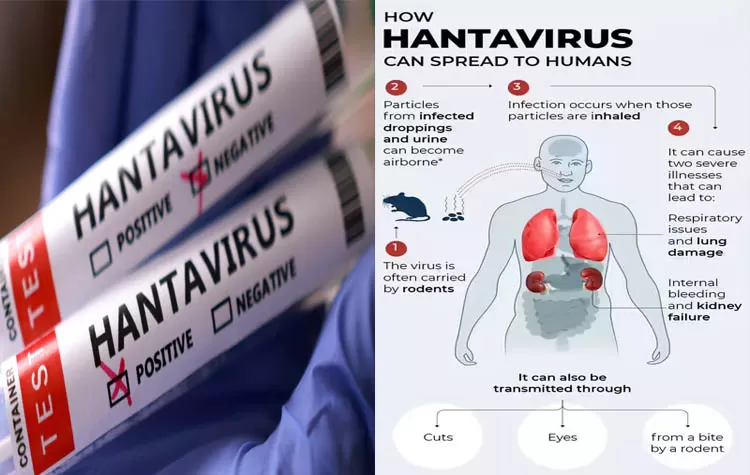
The hanta virus report created public alarm after the MV Hindius cruise ship reported its initial infections. The ship had two Indian citizens who worked on the ship as crew members. Indian health authorities with their international partners are conducting thorough monitoring of the current outbreak. Experts currently state that India faces no public health dangers which require immediate response from health authorities.
Why the Hanta Virus Is in the News
The hanta virus outbreak began when the MV Hindius cruise ship reported its first cases of infection. The reports which documented the outbreak showed that crew members from various nations including India who worked on the ship created greater concerns about hanta virus transmission.
Health authorities are tracking the situation carefully. The current cases do not suggest large-scale transmission according to officials who stress this point.
What Indian Health Experts Are Saying
According to Naveen Kumar who serves as National Institute of Virology (NIV) director the hanta virus does not pose an immediate threat to India. He reported that only single cases of the disease appeared in the country.
He also explained that there is no evidence of community transmission in India at this stage. The public does not have access to the virus which continues to spread through unseen pathways.
Indian laboratories can detect suspected infections which will arise from future outbreaks. Health agencies remain alert and continue to monitor developments.
How the Hanta Virus Spreads
The hanta virus primarily spreads through direct contact with infected rodents or their excreted materials. People can contract the disease when they breathe in tiny particles that come from rat urine and droppings and saliva in indoor environments.
Experts state that human-to-human transmission occurs in very rare situations. Most strains found in Asia and Europe do not spread between people. The Andes virus and other South American strains have caused only a few documented cases of person-to-person transmission.
The current risk of widespread human transmission remains low because of this situation.
Common Symptoms and Incubation Period
Early symptoms of hanta virus infection can resemble the flu. The body may experience several signs which include:
- Fever
- Body pain
- Fatigue
- Headache
- Chills
The body shows symptoms after one to five weeks of virus exposure.
Health authorities have shown that hanta virus transmission differs from COVID-19 and influenza transmission because their initial symptoms show some similarities.
People need to exercise extra caution in specific areas and professions.
Certain environments carry a higher risk of exposure to the hanta virus. The following work environments require their employees to implement extra safety measures:
- Ships and cargo vessels
- Warehouses and storage units
- Poorly ventilated buildings
- Areas with rodent activity
Workers in these settings should avoid direct contact with rats and maintain clean surroundings.
Public Health Prevention Measures
The most effective method to decrease infection risk involves preventing people from contacting rodents. Health experts recommend several simple safety measures:
- Keep living and working spaces clean
- Seal openings where rodents may enter
- Use protective equipment when cleaning enclosed areas
- Improve ventilation in storage spaces and warehouses
- Avoid touching rodent droppings directly
Good hygiene practices can lower the chances of infection significantly.
Global Monitoring and WHO Response
- The World Health Organization (WHO) has described the current public health risk as low. WHO Director-General Dr. Tedros Adhanom Ghebreyesus stated that authorities are still observing the situation carefully.
- Because the virus can have a long incubation period, additional cases may still be reported in the coming weeks.
- WHO representatives also noted that the spread pattern of the virus is unusual and continues to be monitored internationally.
Tags Cloud