
U.S. Plans Major Changes To International Student Visa Rules
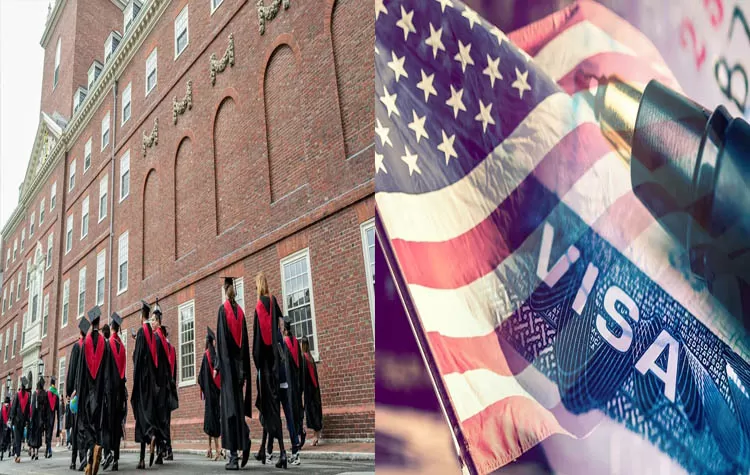
The U.S. government plans to establish new regulations which will determine the duration of stay for international students in the United States. The proposed changes mainly affect students holding F-1 and J-1 visas. The proposed regulations would give immigration officials greater power to make decisions which educational institutions currently handle.
The Department of Homeland Security (DHS) recently submitted the proposal to the White House Office of Management and Budget (OMB) for review. The proposal seeks to abolish the existing "Duration of Status" system which international students use to extend their studies beyond the time specified on their immigration documents. The new regulations will begin to apply from September.
How the Current System Works
- Most international students who enter the United States today use the "Duration of Status" system which Americans refer to as "D/S". Students who follow this system can remain in the United States until they finish their studies and comply with visa requirements.
- Students who need additional time to finish their academic work must apply for an extension through their school. A Designated School Official (DSO) reviews the request and updates the student’s records when the reason is valid. Students do not normally need direct approval from immigration authorities for these extensions.
- This process gives schools and universities an important role in managing student visa status.
What the Proposed Rules Would Change
- The new proposal would shift extension authority from schools to U.S. Citizenship and Immigration Services (USCIS).
- International students who wish to extend their visa status through the proposed system must submit their application to USCIS. Immigration officers would then decide whether the request should be approved.
- The I-94 arrival and departure record will display the student authorized stay duration. The document will show a designated exit date which includes a subsequent 30-day extension period.
Restrictions on Course and School Changes
- The proposal establishes new restrictions which prevent students from changing their academic programs or transferring between schools.
- Undergraduate students would not be allowed to change their course or institution during their first academic year. The graduate students face stricter regulations which prevent them from changing their educational programs throughout their entire academic duration.
- The proposal states that students who want to extend their studies beyond their current degree program must complete a higher level qualification.
Impact on Short-Term and Language Programs
- Students in short-term programs, such as two-year master’s degrees, must leave the U.S. after finishing their studies unless they obtain special permission to stay longer.
- Language program students would also face limits. Their total stay, including breaks and holidays, would be capped at 24 months.
- In some cases, students affected by these restrictions could still apply to USCIS for additional time. The decision to approve or deny requests would rest with immigration officials instead of educational institutions.
Concerns From Universities and Organizations
- The idea of fixed time limits for student visas is not new. University and college association and healthcare organization opposition emerged against similar proposals which were introduced in the past.
- Many institutions argued that stricter limits could make it harder for students to complete their studies on time. They also warned that the new system could increase administrative work for both students and universities.
- Critics believe the proposal may create uncertainty for international students who need extra time because of research delays, academic requirements, or unexpected personal situations.
Tags Cloud