
Iran Declines Second Round Of Peace Talks As Ceasefire Nears End
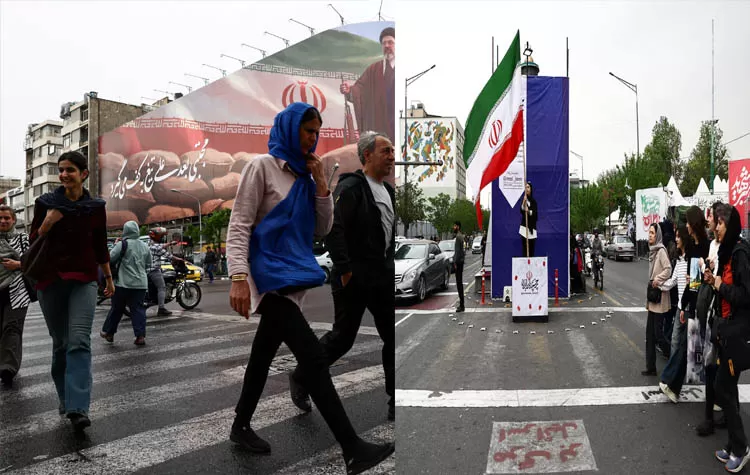
The Islamic Republic of Iran will not participate in upcoming peace negotiations with United States diplomats. The meeting was planned to take place in Islamabad. The decision created doubt about the situation because it arrived just before the ceasefire agreement ended.
Iran Withdraws from Scheduled Talks
The Iranian Foreign Ministry spokesperson announced that the government made this decision. The country will not send officials to participate in the discussions. This move interrupts a diplomatic effort that aimed to reduce tensions between the two sides.
Reasons Cited by Tehran
- Iran accused the United States of violating the ceasefire treaty. The spokesperson reported that violations began after the agreement was established. He described events in the Strait of Hormuz which included the blocking of vessels and the seizure of an Iranian cargo ship.
- Iranian officials declared these actions to be violations of international legal standards. Officials declared that any further aggressive actions from the United States will receive a response which matches their level of aggression.
Ceasefire Deadline Adds Urgency
- The ceasefire agreement will end on Wednesday. Iran's decision not to attend the talks comes just hours before this deadline. The situation creates uncertainty about the outcomes which will follow the conclusion of the agreement.
- The risk of heightened tension will persist until both parties engage in renewed dialogue. The absence of direct contact between the two parties will reduce opportunities for de-escalation.
United States Moves Ahead with Delegation
- The United States continues with its plans even though Iran is not present. President Donald Trump announced that American diplomats would travel to Pakistan to attend the negotiations.
- This statement demonstrates that the United States maintains its willingness to negotiate. The absence of both parties in the negotiation process will hinder any substantial advancement.
Strait of Hormuz Dispute Comes into Focus
- The Strait of Hormuz has become a central issue in the dispute. This waterway is important for global oil transport. Any disruption in this area has wider economic implications.
- Reports indicate that the U.S. blockade in the region has been a major concern for Iran. It has also been identified as a barrier to continued negotiations.
Signals of a Possible U.S. Policy Shift
- There are signs that the United States may reconsider its position. Reports suggest that Pakistan’s Army Chief, Field Marshal Asim Munir, raised concerns during a phone call with President Trump. He reportedly stated that the blockade is affecting the peace process.
- Following this, sources indicate that the U.S. administration is reviewing the situation. A change in policy could influence whether talks resume in the future.
Tags Cloud