
Rising Oil Prices And Strait Of Hormuz Tensions: What It Means For Fuel Costs
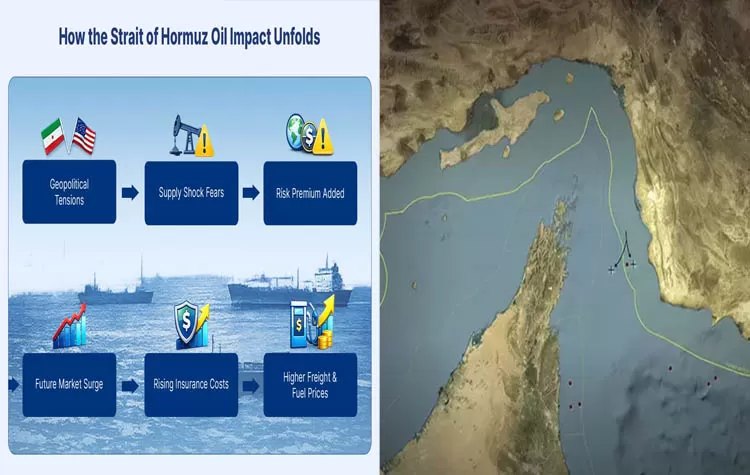
Tensions in the Strait of Hormuz are pushing oil prices higher. The waterway handles more than half of the world's oil shipments. Market movements occur when danger levels rise because danger levels rise.
Why This Region Matters
The strait connects major oil-producing countries with international trade routes. Any disruption can limit supply. Even small incidents can affect fuel prices worldwide.
What Happened Recently
Reports of a blockade and unclear progress on peace talks have raised concern. In another incident, U.S. forces seized a vessel linked to Iran in the Gulf of Oman. Iran responded with a strong reaction because drone activity occurred near U.S. ships..
Oil Prices Move Up
Brent crude increased by approximately 6 percent which brought its price to almost $96 per barrel. U.S. crude also increased, reaching around $90. Traders expect possible supply issues, which drives prices higher.
Gas Prices in the U.S.
- U.S. officials do not fully agree on what comes next. Energy official Chris Wright said gasoline prices may stay above $3 per gallon unless tensions ease. Another official suggested prices could fall sooner.
- The current U.S. average is about $4.05 per gallon. Last year, it was $3.16.
Global Impact
Higher oil prices affect many countries, especially those that import oil. This situation results in increased transportation expenses and higher costs of living.
Tags Cloud