
Strait Of Hormuz Reopens As Ceasefire Eases Regional Tensions
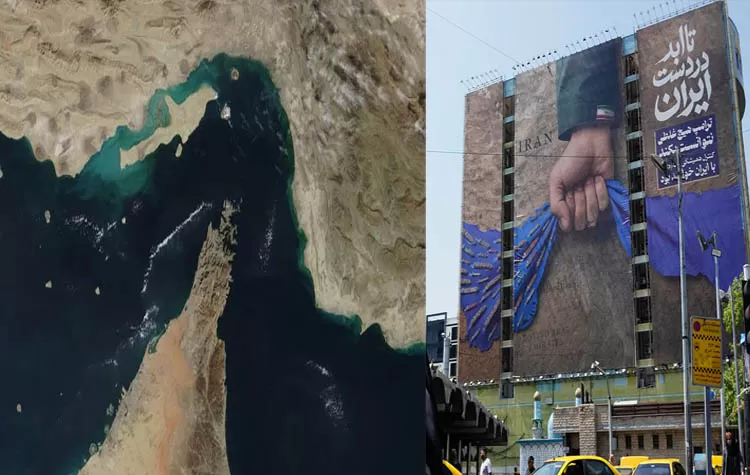
The main shipping route which connects West Asia regions has now been restored to full operational capacity. Iran has confirmed that the Strait of Hormuz is open to all commercial shipping. The global marketplace has already felt the effects of this action which comes after the region achieved a ceasefire.
Iran announces that all shipping operations will start again
- Abbas Araqchi the Deputy Foreign Minister of Iran declared that commercial ships can navigate the Strait of Hormuz without any restrictions. He distributed the news through his account on the social media platform X.
- The current regional situation motivated him to make this decision. The strait will maintain its open status until the ceasefire reaches its conclusion. The passage establishes itself as one of the most vital oil transportation routes which links multiple countries and enables worldwide oil trade.
Decision Making Process between Israel and Lebanon Ceasefire Agreement
- The two countries reopened their borders after their 10-day ceasefire period ended. The agreement enhances regional military safety by decreasing active military threats.
- The decrease in tension allows for better protection of shipping operations. Iran made an announcement which confirmed the ongoing transition. The announcement denotes a brief phase of peace between two countries which frequently engage in conflicts.
Signals from the United States
- The United States President Donald Trump publicly confirmed the ceasefire agreement. He made a separate announcement about Iran reopening the strait in another post.
- Shipping operations will reach their previous normal levels according to him. He showed his gratitude for the decision which the organization made. The United States government considers the ceasefire as an opportunity to advance diplomatic discussions.
Oil Markets Respond to Decreased Market Risks
The energy markets started trading immediately after the announcement. The Strait of Hormuz experiences decreased oil prices when its risk levels decline.
Brent Crude Movement
The price of Brent crude oil decreased by approximately 8 percent which brought its current value to about $90 per barrel. Regional conflicts caused prices to increase above $100 because of their impact on market conditions.
WTI Price Changes
- The WTI May contract experienced more significant losses. The WTI May contract experienced a price drop of about 9.8 percent. The WTI price approached the $85 per barrel mark.
- The supply chain disruptions from COVID-19 have now resolved. The current situation has become less dangerous for oil transportation operations according to traders.
Stock Markets Show Positive Momentum
- The equity markets demonstrated market reaction to the announcement. The decrease in energy prices together with reduced geopolitical tensions has made investors more confident to invest.
- The Dow Jones Industrial Average increased by approximately 1 percent. The S&P 500 index saw a 0.7 percent increase. The Nasdaq Composite index grew by approximately 1 percent.
- The GIFT Nifty futures contract showed an upward movement. The index achieved a new height by surpassing 24,700 points which resulted in a 300-point increase. The Indian market will experience positive growth based on this development.
What This Means for Global Trade and Importing Nations
International oil cargoes use the Strait of Hormuz as their primary transport route. The supply problems decrease because of its reopening.
The countries that depend on oil imports will experience advantages from decreased fuel costs. India is one such example. The decrease in crude prices will help reduce both inflation rates and import expenses.
The success of the ceasefire is essential for improving the current situation. The renewed conflict will bring back all previous outcomes.
Tags Cloud