
Rupee Outlook For 2026: What To Expect
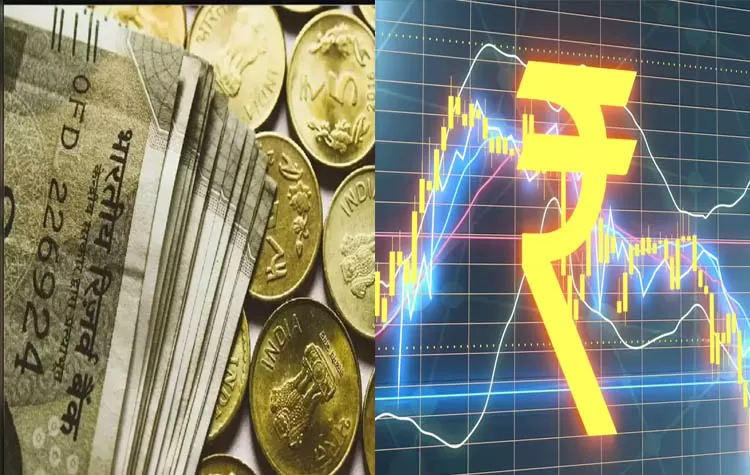
In 2025, substantial pressure was exerted on the Indian rupee. The imposition of hefty tariffs by the US was one of the main factors that led to a fall of 5% in the rupee's value against the US dollar. This decline was the highest, in percentage terms, over the past three years. Additionally, the Indian rupee was ranked among the weakest Asian currencies. A historic low of ₹91.0775 was marked in December. The currency market experts alert that the rupee might keep losing strength till a trade pact is struck between India and the US.
RBI Intervention and Its Limits
The question that arises the most is the way the RBI (Reserve Bank of India) will counterbalance the rupee's assessment. There is a notion among some observers that the RBI's strategy was not effective last year. The analysts point out that the RBI's foreign exchange reserves have decreased and the demand for dollars is very high. If the US tariffs stay this high, to manage its reserves, the RBI will allow the rupee to degenerate even further one way or the other.
Impact of a Potential Trade Agreement
Notwithstanding, the possibility of India getting a trade agreement with the US, the analysts are not optimistic about a strong recovery of the rupee. They point out that the RBI might concentrate on accumulating dollars to fortify the reserves rather than letting the rupee gain much ground. This scenario could be a part of any scenario with gains being restricted in the rupee’s value.
Rupee Trends in 2026
The trend of rupee in 2026 will be primarily regulated by the trade dynamics between India and US. Analysts predict that if there is no agreement, the rupee could fluctuate between the 89–93 window against the dollar. But if an agreement is done, it could gain just enough to 87.50–88. Yet, significant progress will be possible only if the US cuts down tariffs on Indian commodities to the level of 15–20%.
Tags Cloud