
Navigation Through The Strait Of Hormuz: India’s Position
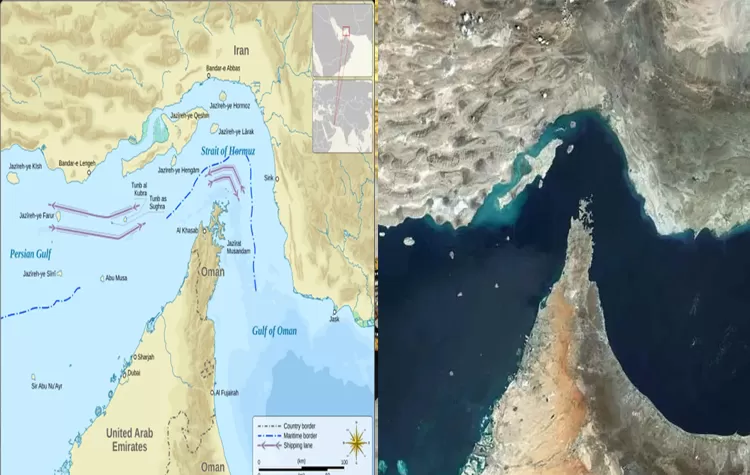
No Permission Required for Passage
- The Government of India announced that ships can navigate the Strait of Hormuz without needing to obtain permission from any nations. The statement serves as a response to Iranian claims which state that Indian vessels need to obtain agreements or approvals before entering Iranian waters.
- Rajesh Kumar Sinha, Special Secretary at the Ministry of Ports, Shipping, and Waterways, addressed the issue. The strait operates under international maritime regulations according to his statement. All ships maintain their right to navigate through the strait according to these regulations.
Role of International Maritime Laws
Sinha explained that global maritime agreements protect the right of passage through the Strait of Hormuz. The regulations permit ships to transport LPG crude oil and other cargo without restrictions.
He added that:
- Shipping companies decide whether to use the route
- Chartering companies assess risks before movement
- Safety decisions depend on current regional conditions
Companies are monitoring the situation because of the ongoing tensions in the Persian Gulf. The companies make their decisions based on information that becomes available.
Current Situation in the Persian Gulf
Around 500 vessels are currently waiting in the Persian Gulf region. Reports classify these ships into different categories:
- 108 crude oil tankers
- 166 oil product tankers
- 104 chemical-related tankers
- 52 dedicated chemical tankers
- Other support and cargo vessels
Shipping operators have adopted a careful approach which results in the current congested situation.
Iran’s Position on Vessel Movement
- Iran has stated that it will allow passage for vessels from most countries. The country will stop ships which belong to nations that they consider hostile.
- The Larak–Qeshm route which Iranian authorities control functions as the main pathway for ships to navigate through Iranian territory. The route enables authorities to track and locate ships that pass through the area.
Tags Cloud