
Fuel Price Surge And Its Impact On Domestic Airlines
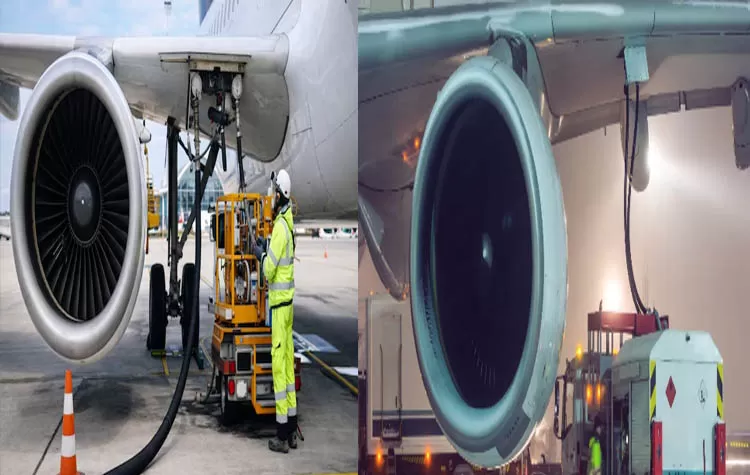
Sharp Rise in Aviation Turbine Fuel Prices
- The price of Aviation Turbine Fuel (ATF) has increased significantly. The rise is close to 115%, which has created pressure on airline operations. The increase in oil prices leads to airlines adjusting their prices because oil companies set ATF pricing according to global crude oil market changes which occur at the beginning of each month.
- In Delhi, the ATF price per kilolitre increased from ₹96,638 to ₹2,07,341.22. This change marks the first time the price has crossed the ₹2 lakh level. The steep rise has raised concerns across the aviation sector.
Government Limits Impact on Domestic Airlines
The Union Ministry of Petroleum and Natural Gas announced a partial relief measure for domestic airlines. The government restricted domestic flight price increases to 8.5% instead of implementing the complete price rise.
The ministry introduced a phased pricing approach:
- The increase will start at approximately ₹15 per litre.
- The company will implement gradual price changes instead of applying one-time price increase.
- The company plans to decrease financial burden on passengers.
The international flight sector will experience complete ATF price hikes. The company will follow international market pricing standards.
The Union Minister for Civil Aviation Kinjarapu Rammohan Naidu confirmed this method of operation.
Updated ATF Pricing Details
According to Indian Oil Corporation:
- The revised domestic ATF price in Delhi reached ₹1.04 lakh per kilolitre which Indian Oil Corporation established as the new pricing system.
- The broader market-linked price remains significantly higher
The dual pricing system enables airlines to maintain operations while keeping ticket prices affordable for passengers.
Financial pressure affects airline operations through increased expenses which require them to pay for fuel. Airlines use fuel as their largest expense because it constitutes almost 40 percent of their total operational costs. Airlines face a decrease in their profits whenever fuel prices experience sharp upward trends in pricing.
Airlines face multiple operational difficulties which they must address:
- Airlines need to adjust their flight paths because West Asian conflicts continue to create security threats.
- Airlines need to spend more money because their flight paths now require more fuel throughout their extended journeys.
- Airlines face higher operational expenses which keep increasing.
Airlines that require fuel have begun charging customers extra through fuel surcharges which they add to their ticket costs.
Industry Response and Outlook
Airlines have not yet issued detailed responses to the latest pricing changes. The current situation shows that the aviation industry continues to experience financial difficulties.
The government’s phased approach may reduce immediate impact. The government process needs three conditions to ensure long-term stability:
- Global crude oil price trends
- Regional geopolitical conditions
- Airline cost management strategies
This development shows how fuel prices directly affect the way airlines conduct their business.
Tags Cloud