
From ₹1,500 To ₹7 Crores: The Transformation Of Indian Cricket
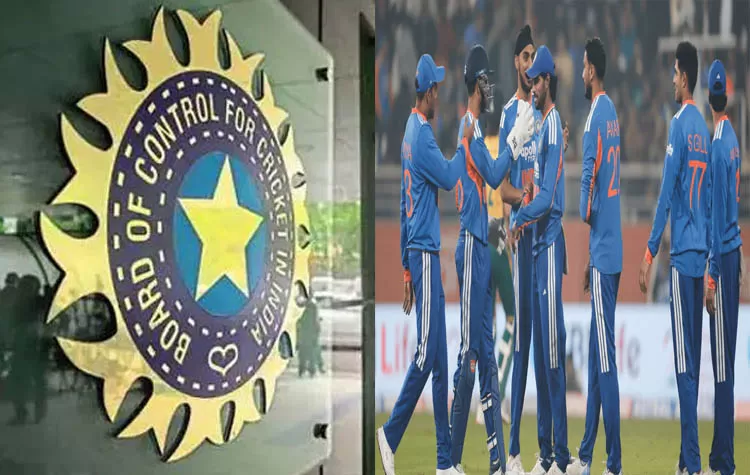
Playing for the Indian cricket team was always a prestige, although the remuneration was not much. The key motivating factor for players was their love for the sport. A considerable number of cricketers also had side jobs to sustain their families. It was always the desire of parents to have doctors and engineers in the family and not cricketers. Now, the scenario is different. Parents are now urging their children to be involved in cricket at a young age. Youngsters not only have the dream to wear the blue jersey, they also have the aim to have a successful life.
History of Earnings in Indian Cricket
The fans will remember Kapil Dev holding the World Cup trophy in 1983 at Lord’s. The players received meager salaries at that time. Each match earned them ₹1,500, along with a further ₹200 as a subsistence allowance. The BCCI's budget wasn’t elaborate. Players were employed in banks, railways, and government services on the ‘sports quota.’ Cricketing greats will remember that “if you didn’t perform, you had to go back to your 9-to-5 office job.” That is how hard it was.
The Beginning of Change
In the 1990s, Doordarshan was the only channel transmitting the Indian cricket team’s matches, and the BCCI was paying for the airtime in order to advertise cricket. Jagmohan Dalmiya, as the president of the BCCI, altered this model. He sold the broadcasting rights for the series between India and England in 1993 for $550,000. In the year 2000, the BCCI had received more than a billion dollars for broadcasting rights.
Introduction of Central Contracts
Previously, the players did not have any fixed income but received match fees and compensations. The BCCI introduced central contracts in 2004, which provided players with financial security and a Cricket-first approach. The contract values began with ₹50 lakh, ₹30 lakh, and ₹20 lakh. The central contracts are now set at ₹1 crore, and the highest-paid players can receive up to ₹7 crores annually. Match payment has also been incremented: ₹15 lakh for Tests, ₹6 lakh for ODIs, and ₹3 lakh for T20 matches. Domestic players receive ₹17-25 lakh per match, which instills confidence in young cricketers to take up the game as a career option.
The Effect of IPL and Women’s Cricket
The Indian Premier League, initiated in the year 2008, added fame and riches to the game of cricket. BCCI Secretary Jay Shah is also known to have done his bit for test cricket as well as women’s cricket. The women players have also started getting the same kind of allowances, which is adding to the development of women’s cricket.
Conclusion: Attitudes towards cricket have changed. Children are now being supported to become crickyeters. Cricket is both a successful and profitable career path. Young crickyeters, Vaibhav Suryavanshi, are set to become heroes, inspired by Sachin Tendulkar and other legends of the game. Provided the same amount of encouragement and opportunities, more crickyeters may come up in the coming years.
Tags Cloud